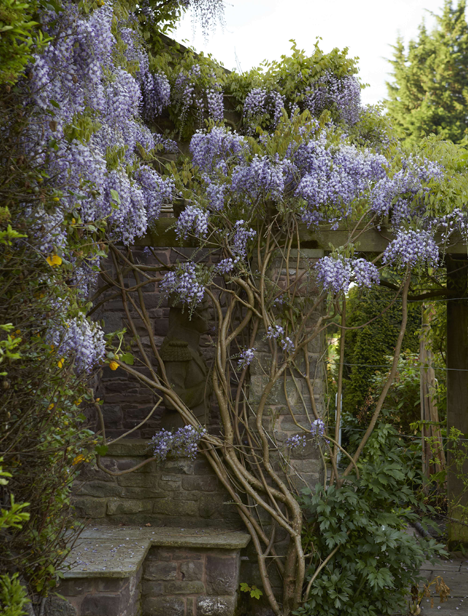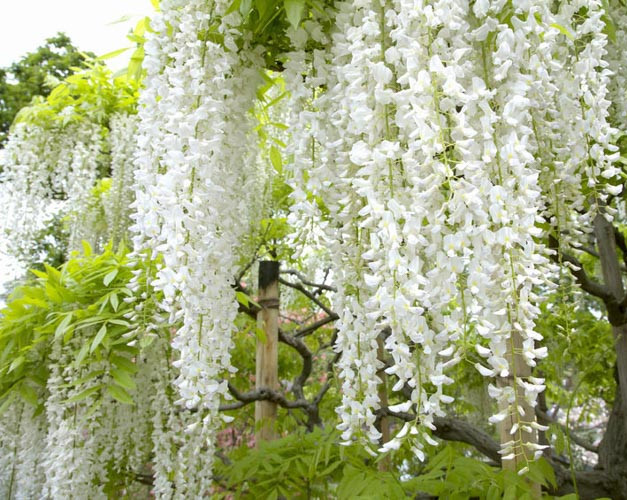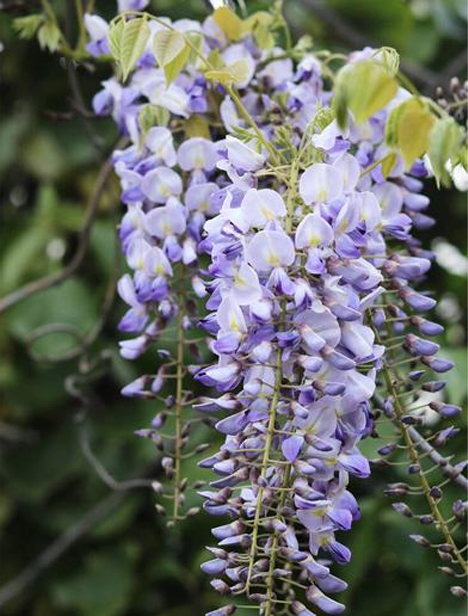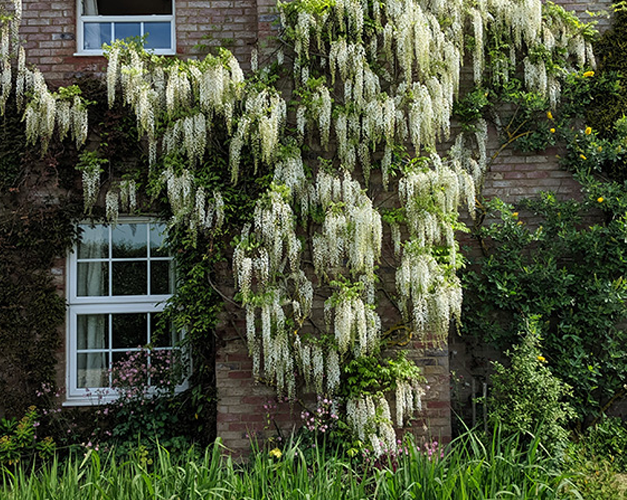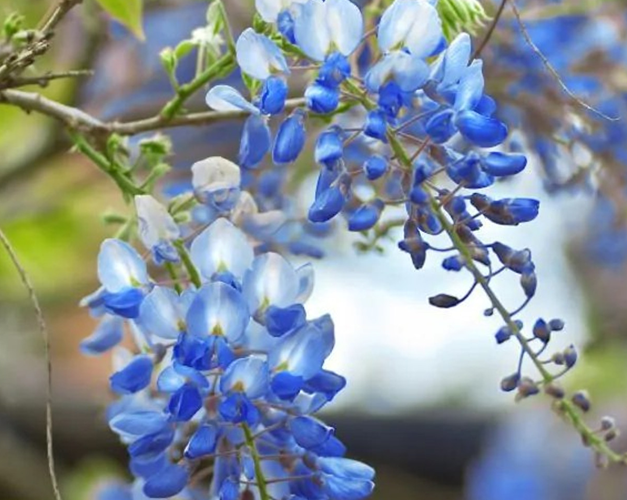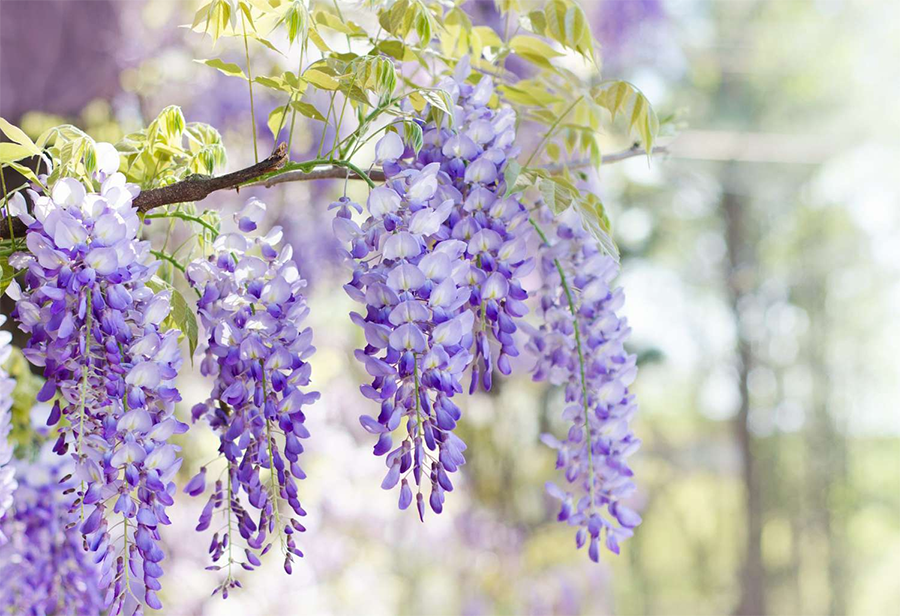
Wisteria is a stunning climbing plant that can transform any garden with its cascading flowers and lush foliage. Native to Asia and North America, this plant thrives in various climates, making it a popular choice for Australian gardens. In this guide, we’ll cover everything you need to know about growing and caring for wisteria in Australia, including product recommendations, pest management, and tips for dealing with summer heat.
Choosing the Right Wisteria
Before you start planting, it’s essential to choose the right type of wisteria for your garden. The two most common types suitable for Australian gardens are:
Wisteria sinensis (Chinese Wisteria)
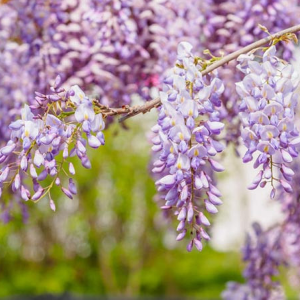
Known for its fragrant, lilac-blue flowers, this variety blooms in early spring and is perfect for smaller gardens.
Wisteria floribunda (Japanese Wisteria)
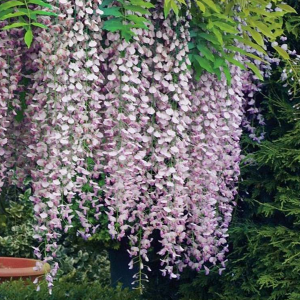
This variety produces longer flower clusters in shades of pink, white, or purple and blooms later in spring, extending the flowering season.
Planting Wisteria
Soil & Location
Wisteria thrives in well-drained, fertile soil with a pH level between 6.0 and 7.0. Choose a sunny location with at least six hours of direct sunlight each day to ensure vigorous growth and abundant flowering.
Planting Steps
Preparation
Dig a hole twice as wide and just as deep as the root ball. Mix compost or well-rotted manure into the soil to improve fertility.
Planting
Place the wisteria in the hole, ensuring the top of the root ball is level with the surrounding soil. Backfill with the amended soil and water thoroughly.
Support
Install a sturdy trellis, pergola, or wire framework to support the vine as it grows. Wisteria can become heavy, so ensure your support structure is robust.

Seasol Concentrate
Complete garden health treatment & will also help with transplant shock

Eco Seaweed
Reduces transplant shock, improves health and vigor & improves drought tolerance
Caring for Wisteria
Watering
Wisteria requires regular watering, especially during the first few years. Water deeply once a week, increasing frequency during dry spells. Established plants are relatively drought-tolerant but still benefit from consistent moisture.
Fertilising
Feed wisteria in early spring with a balanced fertiliser to encourage healthy growth and abundant flowering. Avoid high-nitrogen fertilisers, as they promote foliage growth at the expense of flowers.

Dynamic Lifter Organic Plant Food
Create organic nutrient rich soil for better root growth, stronger plants and more flowers and fruit.

Cyclone Bypass Pruner 195mm
Ideal for pruning live & green stems.
Pruning
Regular pruning is essential to maintain the shape and health of your wisteria. Prune twice a year: once in summer after flowering and again in winter. Remove any dead or overcrowded branches, and trim the current year’s growth back to five or six buds.
Managing Pests & Diseases
Wisteria is generally resilient but can be susceptible to certain pests and diseases.
Common Pests
Aphids
Small, sap-sucking insects that can cause distorted growth.
Caterpillars
These can chew through leaves and cause significant damage.
Scale Insects
Hard-shelled pests that suck sap from stems and leaves.
Common Diseases
Powdery Mildew
A fungal disease that causes white, powdery spots on leaves.
Root Rot
Caused by poor drainage and overwatering.
Dealing with Summer Heat
Australian summers can be harsh, and wisteria may require extra care to thrive in the heat.
Mulching
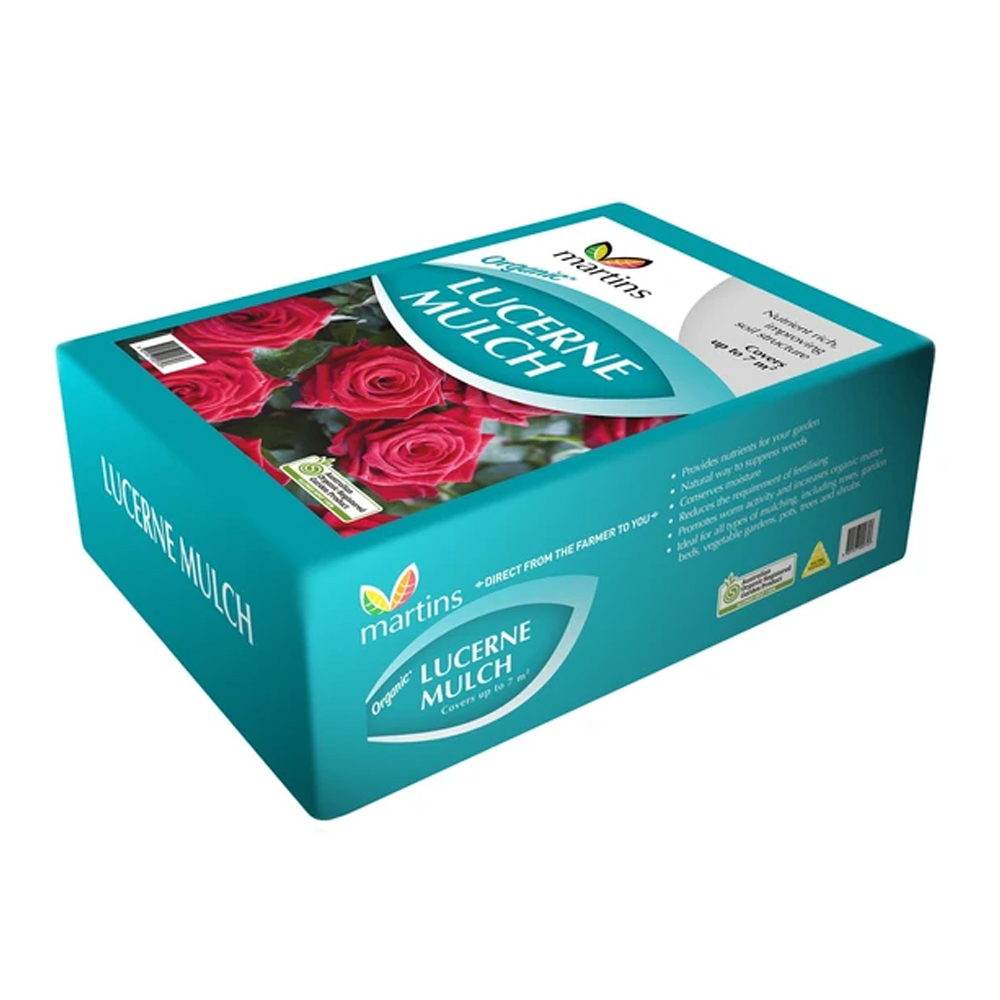
Apply a thick layer of organic mulch around the base of the plant to retain soil moisture and regulate temperature. Mulch also helps suppress weeds and enriches the soil as it decomposes.
Shade
During extreme heat, consider providing temporary shade to protect the plant from scorching. Use shade cloth or position other plants to offer some relief from direct sunlight.
Deep Watering
Ensure wisteria receives deep watering during heatwaves to keep the roots cool and hydrated. Water early in the morning or late in the evening to reduce evaporation.
Growing and caring for wisteria in Australia can be a rewarding experience, transforming your garden with its stunning flowers and lush foliage. By choosing the right variety, providing proper care, managing pests, and dealing with the summer heat, you can enjoy the beauty of wisteria for years to come. Happy gardening!