Perfecting the amount of water your plant requires can be difficult. Especially if you have multiple houseplants with differing water needs. This is where bottom watering plants may be effective.
What is bottom watering plants?
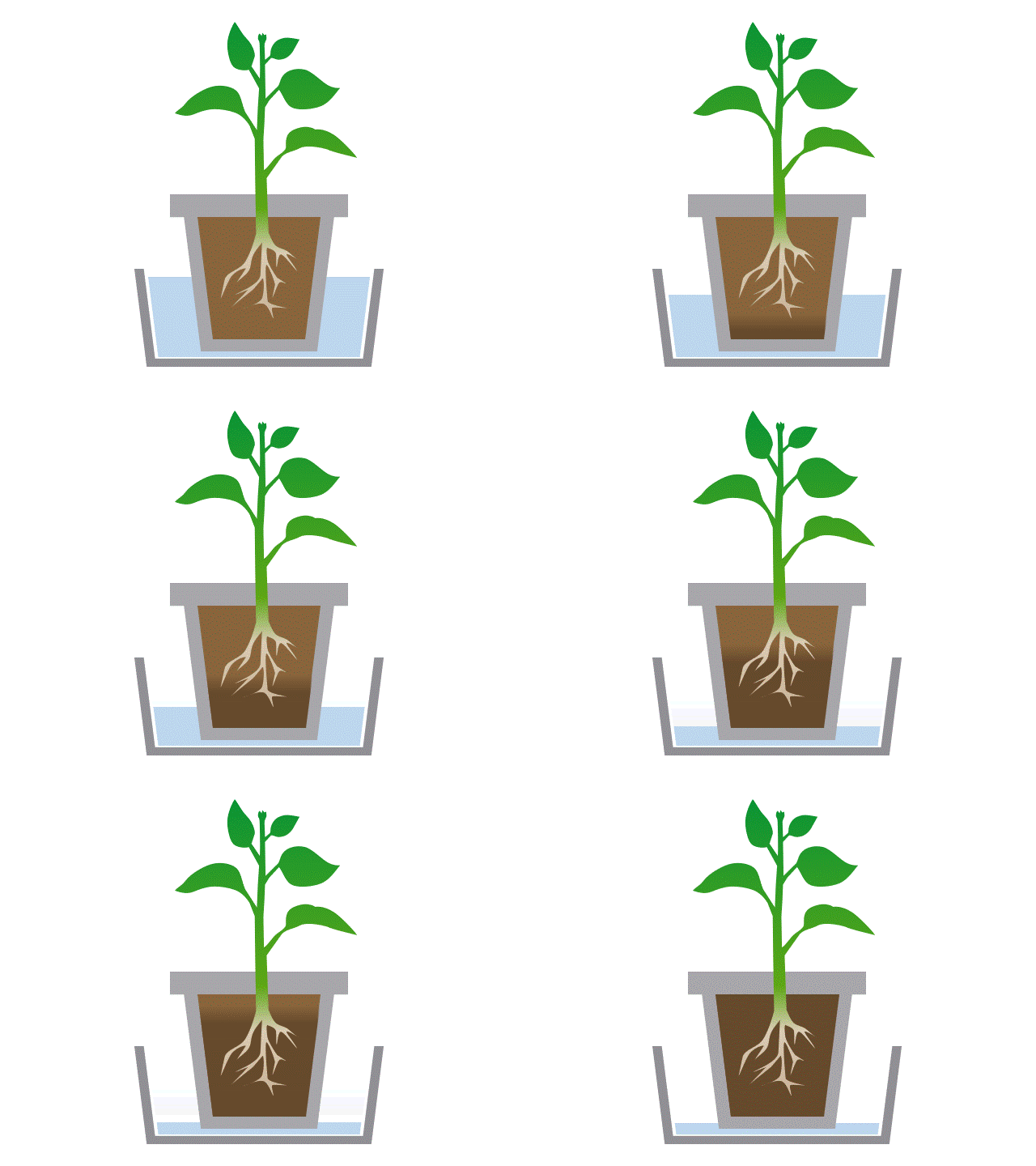
Bottom watering is a technique where you place your plant in a container or tray of water, and water is absorbed via capillary action through the hole/s in the bottom of the pot. Dry soil soaks up the moisture until it cannot hold anymore, which is the point of saturation.
Benefits of Bottom Watering Plants
Consistent, Even Watering
Bottom watering ensures an even distribution of the water for the whole soil. Water can run down the sides of the pot and not get to the middle when you water from the top.
Prevent Overwatering or Underwatering
As the plant takes what it needs, bottom watering is an effective way to prevent over or under watering.
Avoid Rot
Some plants are have very sensitive leaves that cannot get water on them without causing rot, or have a crown/middle of the plant that cannot have water pooling.
Types of Plants to Bottom Water
Healthy plants grown in pots with good size drainage holes and potting medium that absorbs water well can be bottom watered. Keep in mind the pot will be heavier after watering as the soil has absorbed water so any larger plants in bigger pots may not be suitable.
- Plants with hairy/fuzzy leaves or plants with sensitive leaves
- Plants with dense leave cover
- Plants with leaves or crowns that are damaged if they get wet, such as cyclamens
- Severely dried out potting mizes.
NOTE: Top water your plants every 4-6 months to flush out any salt buildup.
How to Bottom Water Plants
You likely do not require anything new to bottom water. Sinks, trays, bowls, saucers or bathtubs can all be used.
Determine if your plant needs water
How often you water your plants depends on type of soil, the plant species, seasons and growing conditions. A great way to test if your plant needs water is to poke your finger in the soil. If it is dry, your plant likely needs to be watered.
Fill your chosen container with water
Water levels will change depending on how much water your plant requires, and the size. Use around half of the size of your pot. Your pot may fall over if you fill the bowl too much so it may take some tests to find a perfect water level.
Place your pots into the container
If your pot falls over, take out some water or add some into the top of the plant to give it some weight.
Leave the pots to soak
This can take 10-20 minutes. You’ll know its complete once the top surface of the soil is moist. Keep an eye on water levels inside the container as you may need to add more.