Helping & Caring for Your Garden During Heatwaves
03
Sep
Heatwaves can easily ruin your garden, however there are simple steps you can take to help support your garden. Key actions include ensuring your garden, lawn & potted plants are well watered before & during the heatwave, placing vulnerable plants in the shade and ensuring soil is kept cool & moist.
Utilising protective products such as frost blanket (you can reuse in winter!) or products like Yates DroughtShield to minimise water loss and protect against sunburn.
Offering shade is another way to easily protect your plants ahead of time.
Reflective heat that can radiate from nearby surfaces such as fences, paving can also cause plants to burn. Utilise temporary covers such as laying cardboard over paths or placing shadecloth or hessian on the surface.
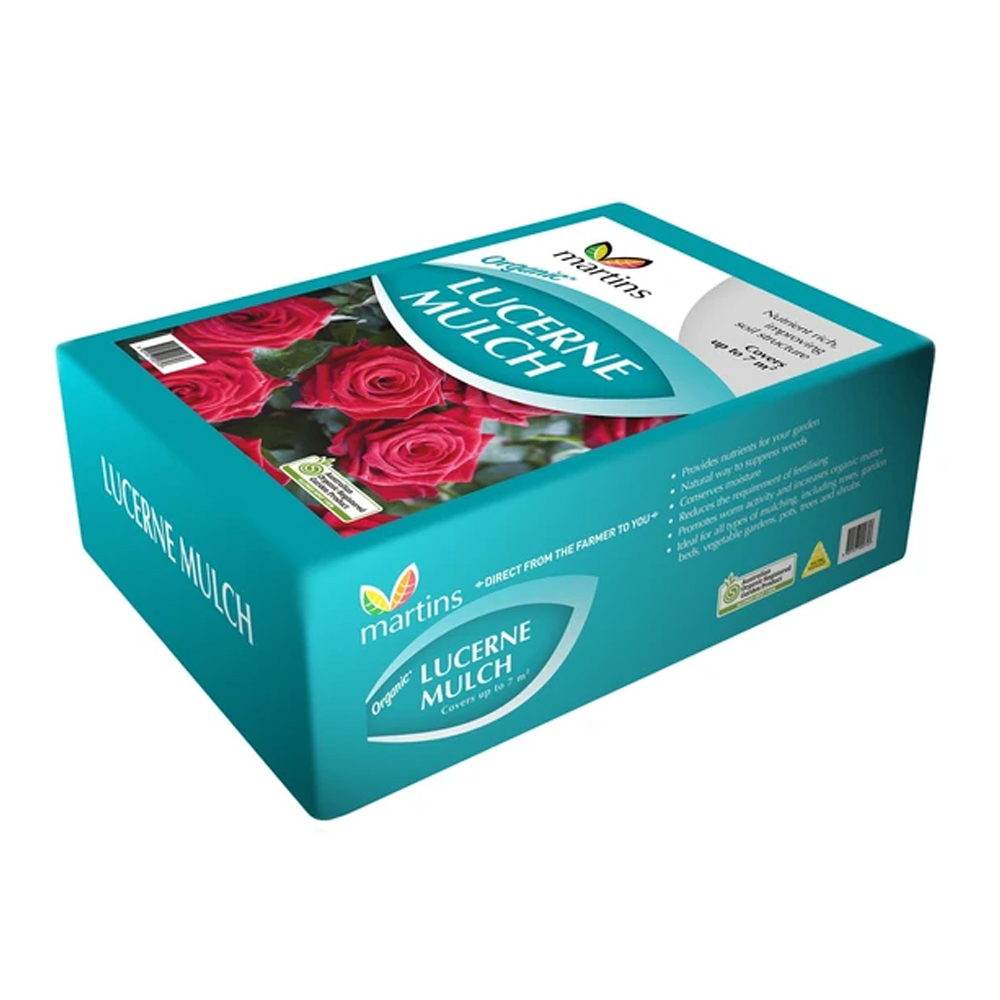
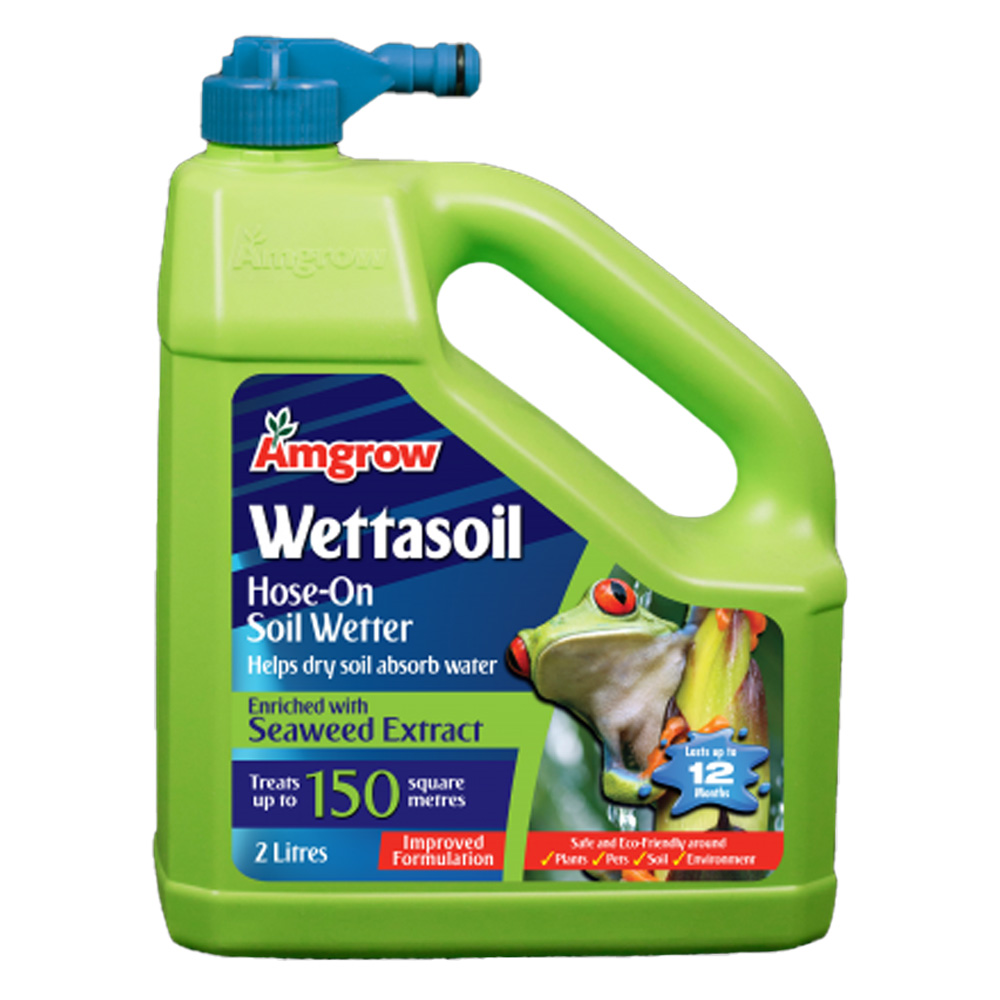
To assist with water retention within your soil and prevent soil from drying out, keep your garden well mulched. Soil that is exposed to blazing hot sun can heat up enough to burn plant roots.
Lay a 5-7cm thick layer of organic mulch to keep soil cool, and in turn keep plants cooler. Ensure to check water can penetrate the mulch layer.
Black plastic pots can absorb a lot of heat and essentially cook your plants. Place them inside a larger, ceramic pot and move into a shaded position. You can also mulch potted plants.
Keep an eye on weather predictions so you can adjust your watering schedule accordingly. Increase your watering in the leadup to a heatwave, ensuring to water before 10am and after 4pm to prevent evaporation.
Be careful when turning on a hose that has been in the sun, water can reach up to 50°C if left on concrete in 35°C heat. Run the hose for a minute to ensure hot water is flushed out.
Potted plants dry out faster than plants in soil, so they will require extra water during hot days. Installing a drip system is a great, reliable solution for watering your pots and garden.
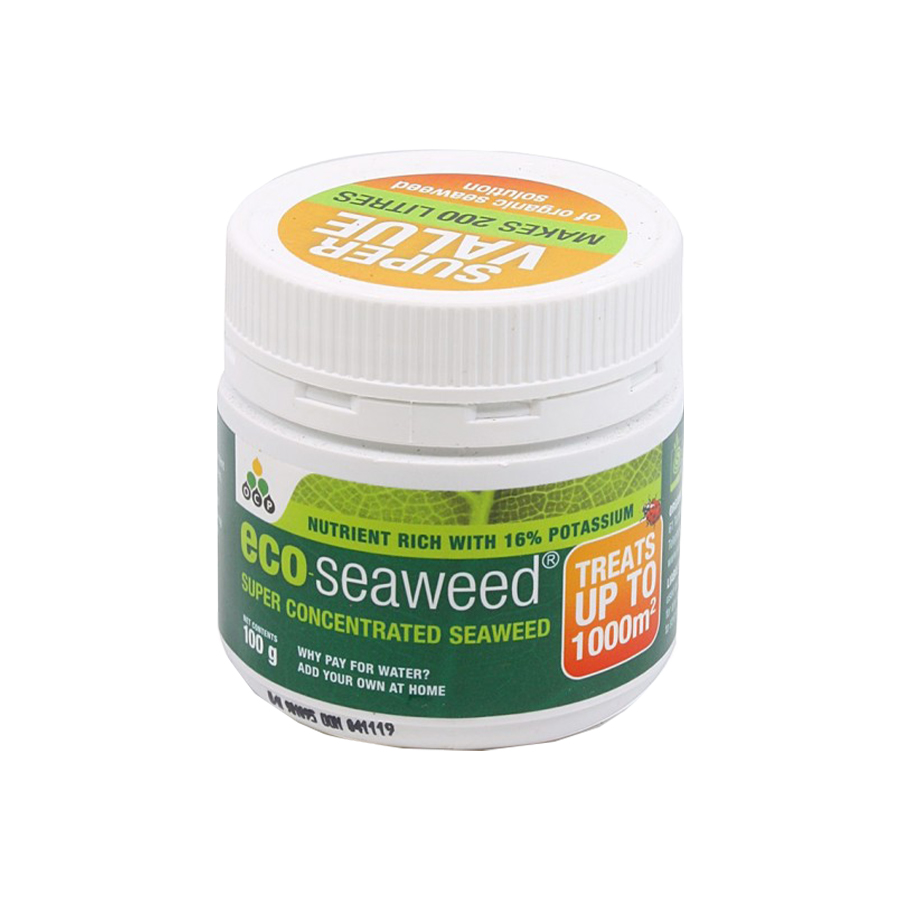
Applying a seaweed solution will assist your plants in becoming more resilient against extreme climates.
Keep an eye on your plants for signs of heat stress or damage, such as wilting or burnt leaves.
A lot of indoor plants are very temperature sensitive, so ensure to move them away from windows, or keep curtains closed to prevent heat damage.