How to Care for Your Indoor Plants During Summer
22
Aug
As the weather warms up & days get longer, your indoor plants will require different needs so they can thrive.
Here are the indoor plants that will tolerate temperature & light temperatures.
Indoor temperatures warm up, so your plants will be adjusting to the warmer air. Plants in windows will be receiving more light. Plan a more frequent watering schedule to combat the hotter temperatures, ensuring you consider the humidity level in your home.
For most plants, poke a finger in the soil and water when the soil is dry.
If the potting mix is extremely dry, the soil may be repelling water and requires a soil wetter or soil conditioner.
Watering plants deeply and thoroughly is more effective than daily watering. Deep watering will ensure the roots develop. Water it until water drips out of the pot. Smaller pots may need more frequent watering as soil will dry out quicker.
As with outdoor plants, water outside of the peak heat. Early morning gives the soil time to absorb before heat can evaporate it.
Factors like curtains/blinds/sheers, trees, buildings, reflective surfaces, light or dark walls and fly screens influence the amount of light your indoor plants receive. All plants require different levels of light, with most thriving in indirect sunlight.
Light patterns will change with seasons, so keep an eye on your plants to ensure they are not in direct sunlight or shaded.
Window dwelling plants may need to move for the summer to protect them from extreme heat and direct sunlight. Hot sunlight will cause leaves to burn and often will impact the plant immensely.
Decrease stress levels by watering more often if needed, apply fertilisers when necessary. When temperatures are extreme, you can spray with cool water in your shower and leave them in the bathroom.
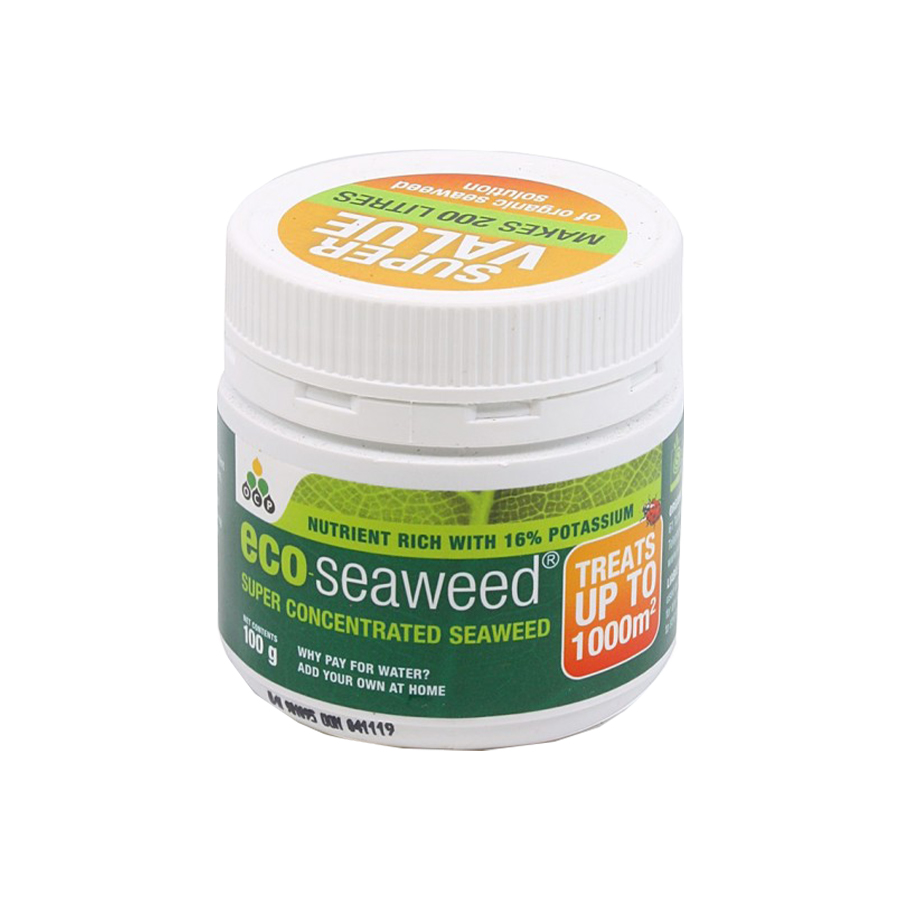
If plants go into survival mode during intense heat, you can soak the plant & pot in a bucket of Seasol to revitalise the plant.
The amount of moisture in the air will play a significant role in your plant health. A lot of indoor plants come from humid regions, preferring a high moisture level in the air.
You can improve humidity by:
Misting your plants creates a higher humidity level, but only for a short period of time.
Summer and spring is the perfect time to repot a plant when it is usually actively growing. Replacing the potting mix may give your plant a bit of a boost, or you may need to repot the plant into a larger pot. Your plant may need a bigger pot if your plant:
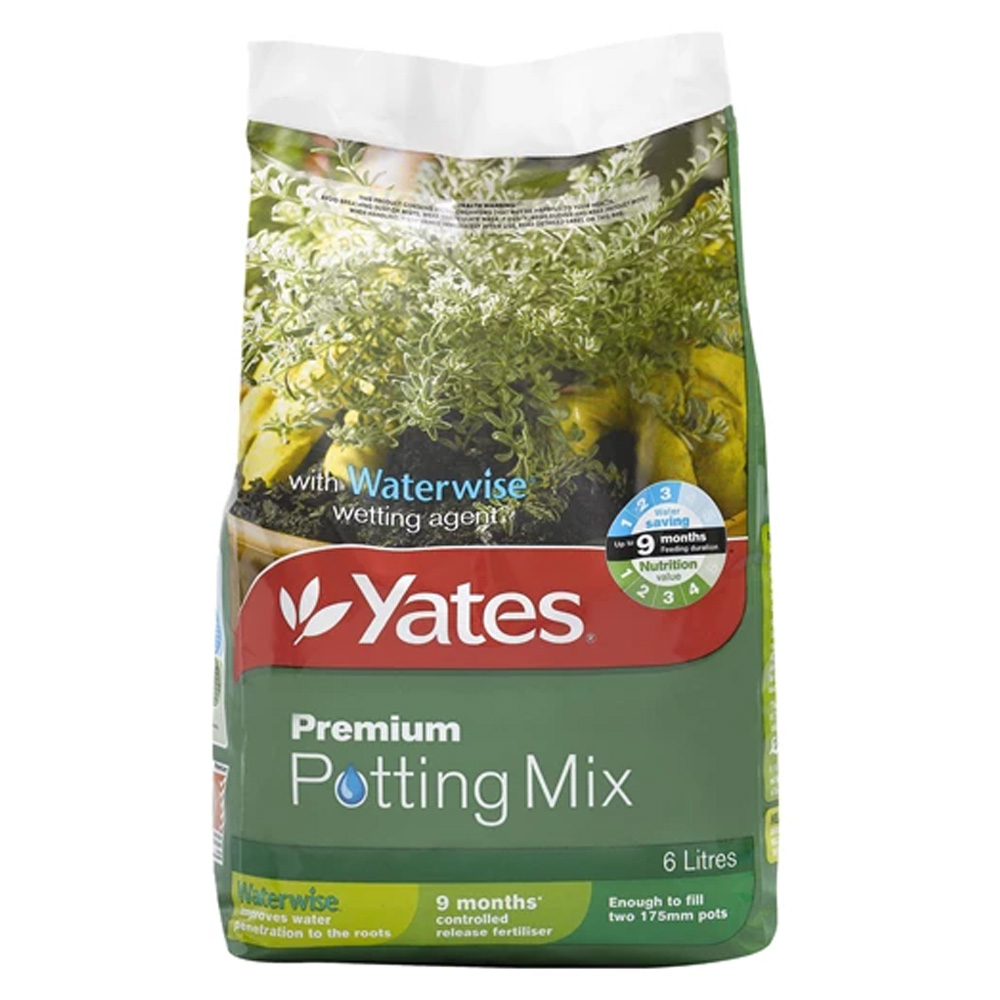
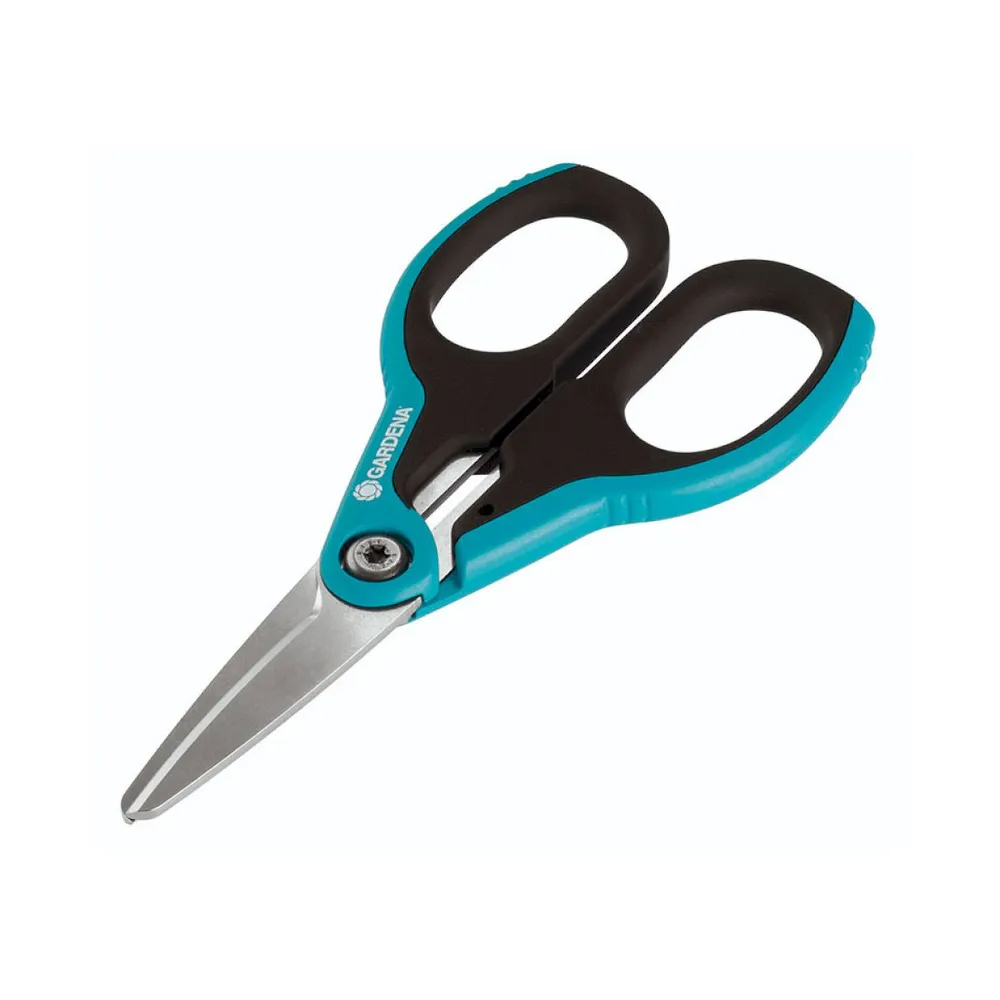
Generally speaking, choose a pot one size up. Gently ease the plant out of the pot, shake the plant free of potting mix, loosen up the roots and trim any long roots. Use this opportunity to inspect the roots. If they are soggy, you may need to reduce how often you water it. You can apply Seasol to help reduce transplant shock.
Repot the plant with fresh potting mix.
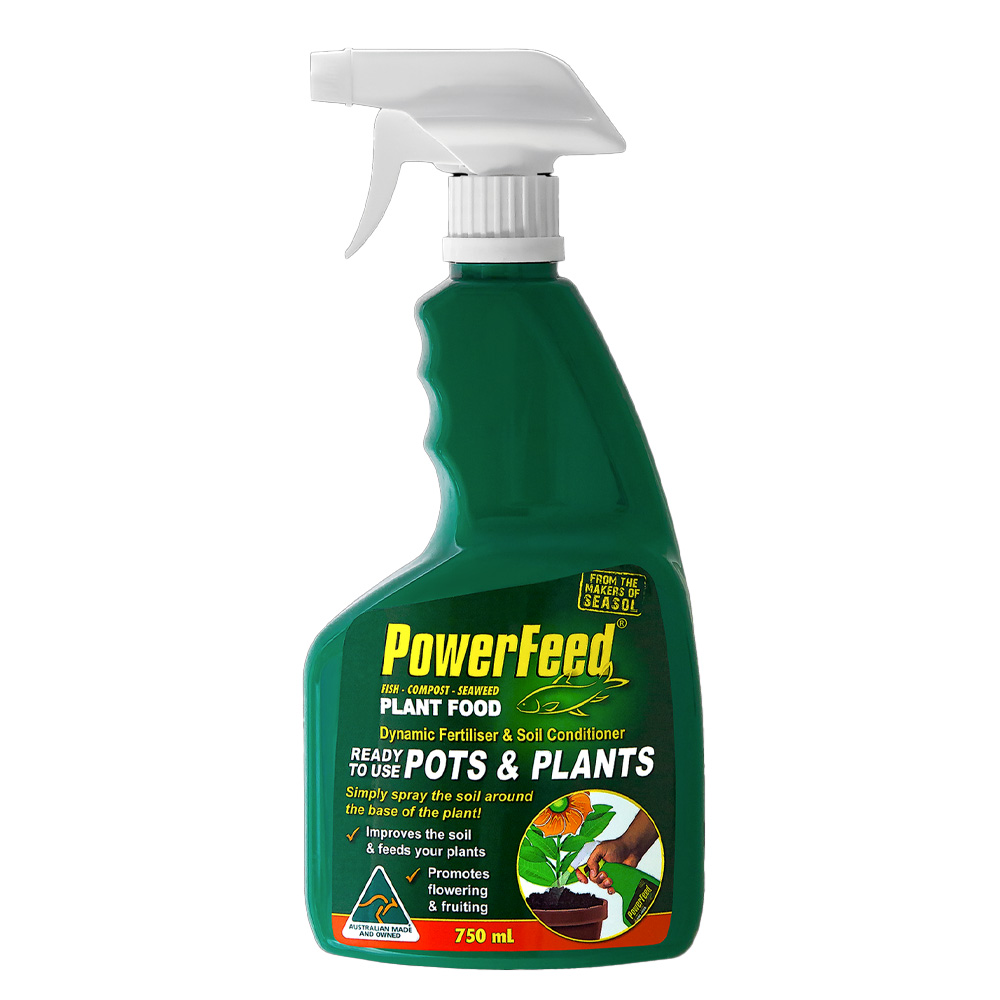
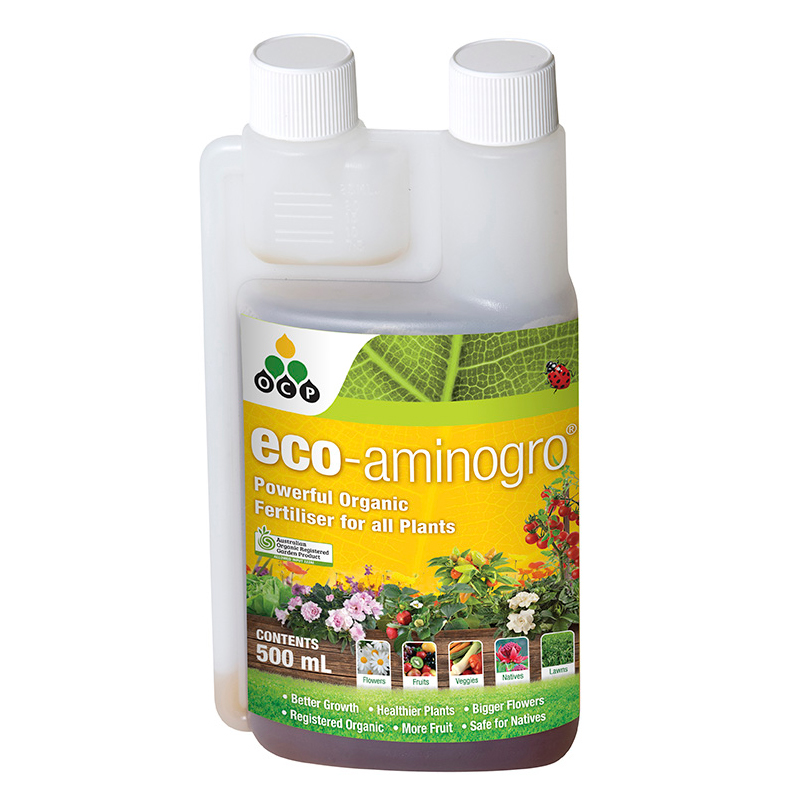
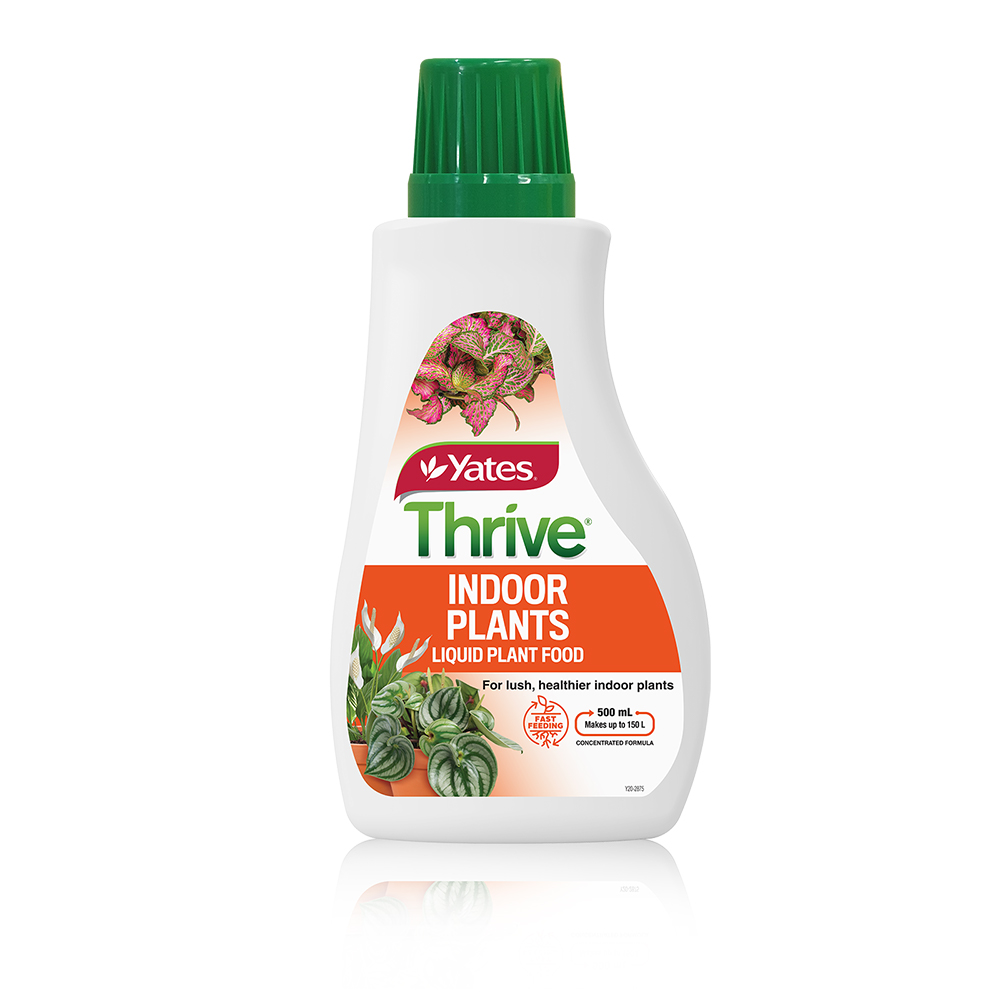
Warmer temperatures usually means plants actively grow. Therefore your plants will require more fertiliser as they flourish with the warmer temperatures and more light from longer days.
Use a liquid or granular fertiliser, checking each label to ensure it is suitable for your plants.