As spring blossoms and summer approaches, Australian gardens come alive with vibrant colors and lush greenery. This season, several plants are trending, offering a perfect blend of aesthetics and functionality. Whether you’re a seasoned gardener or a novice, here are the top trending plants for spring/summer in Australia, along with tips on how to plant and maintain them for a thriving garden.
Australian Native Plants
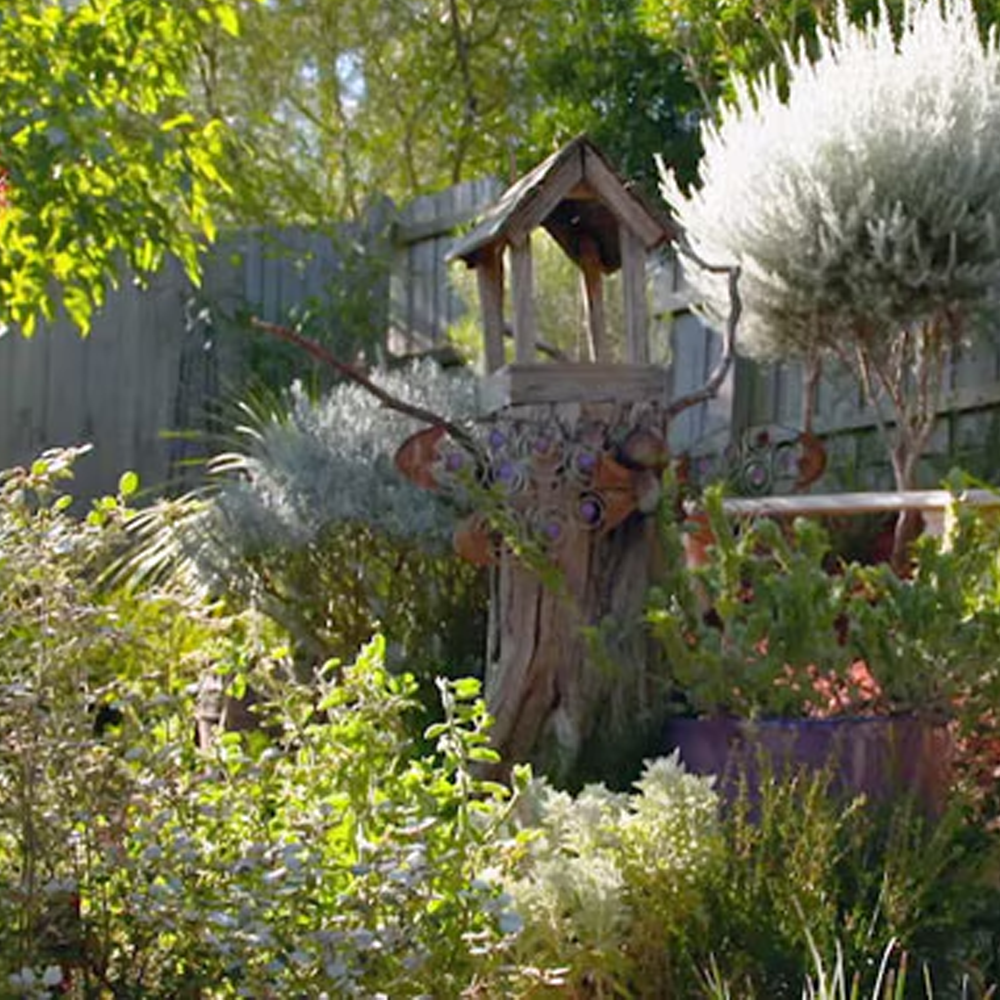
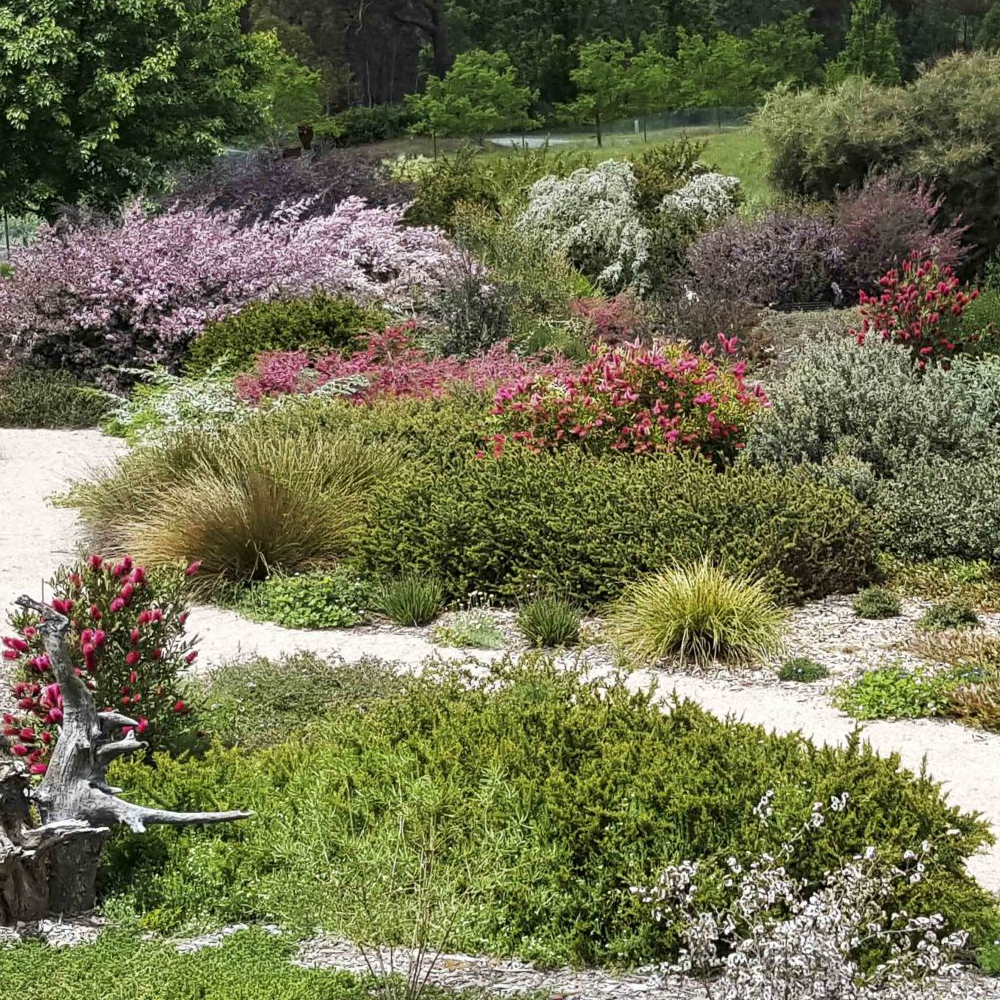
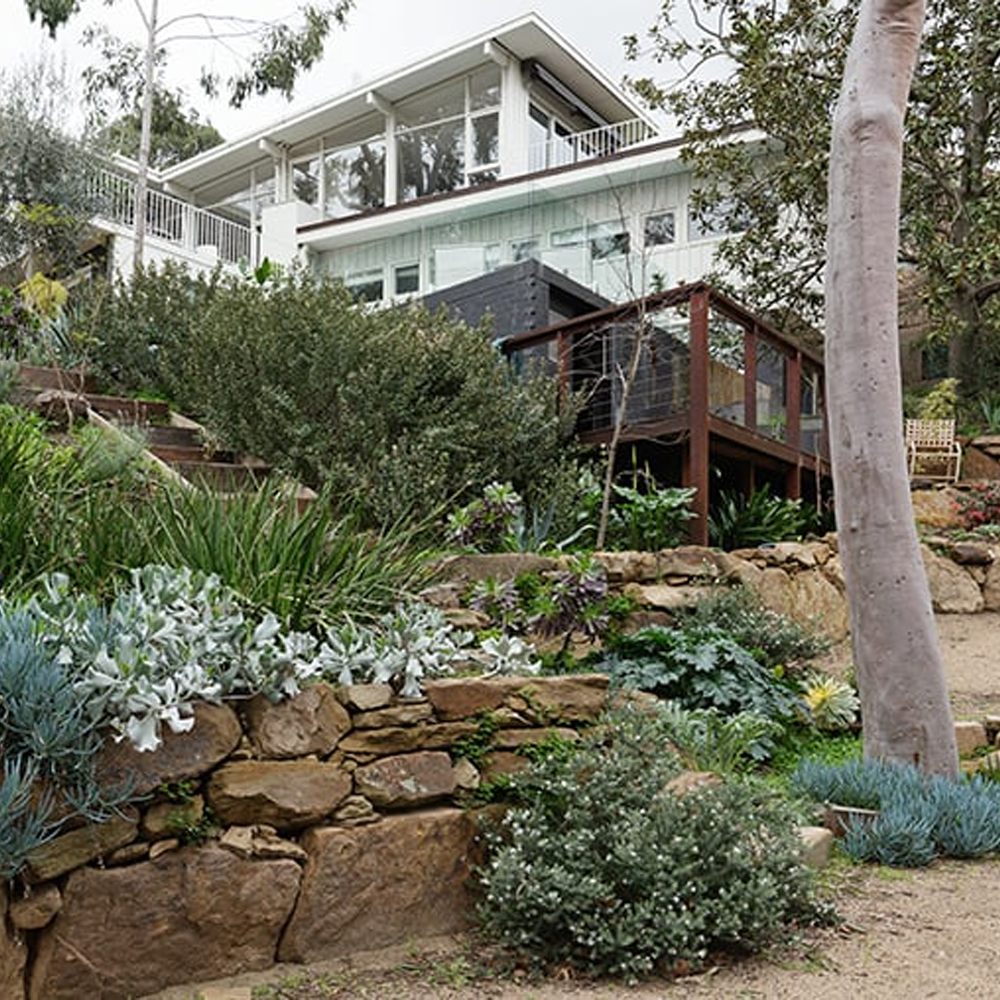
Australian native plants are increasingly popular for their resilience and ability to thrive in the local climate. They also support local wildlife, making your garden a haven for birds, bees, and butterflies.
Popular Varieties
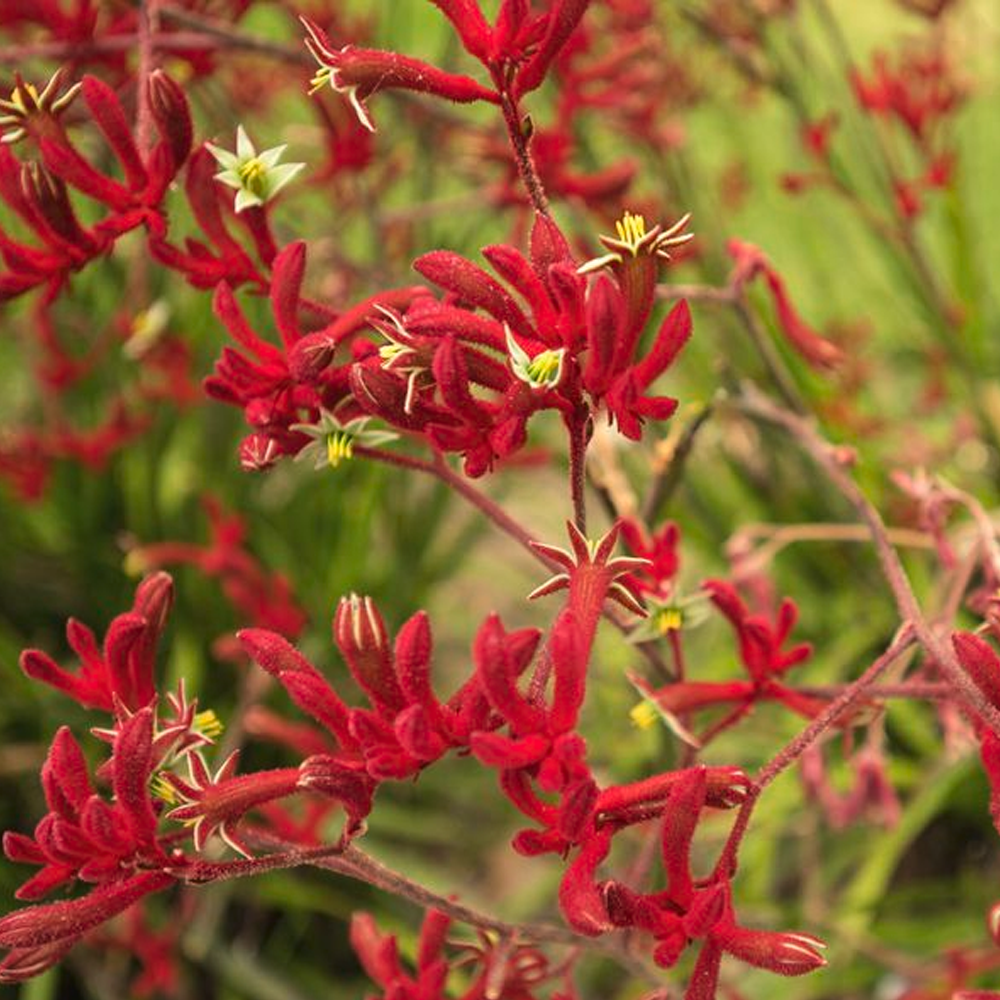
Kangaroo Paw (Anigozanthos)
Known for its unique, fuzzy flowers and vibrant colors.
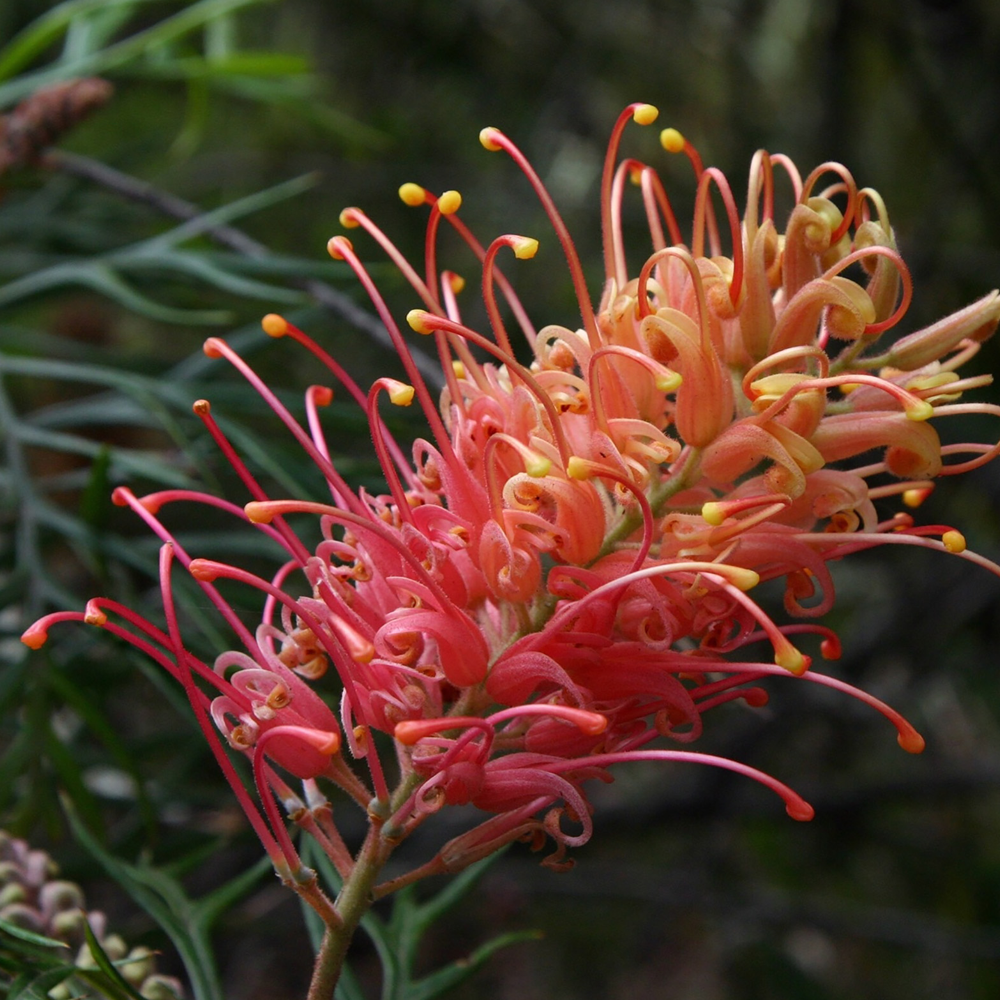
Grevillea
Offers a variety of shapes and sizes, with flowers that attract nectar-feeding birds.
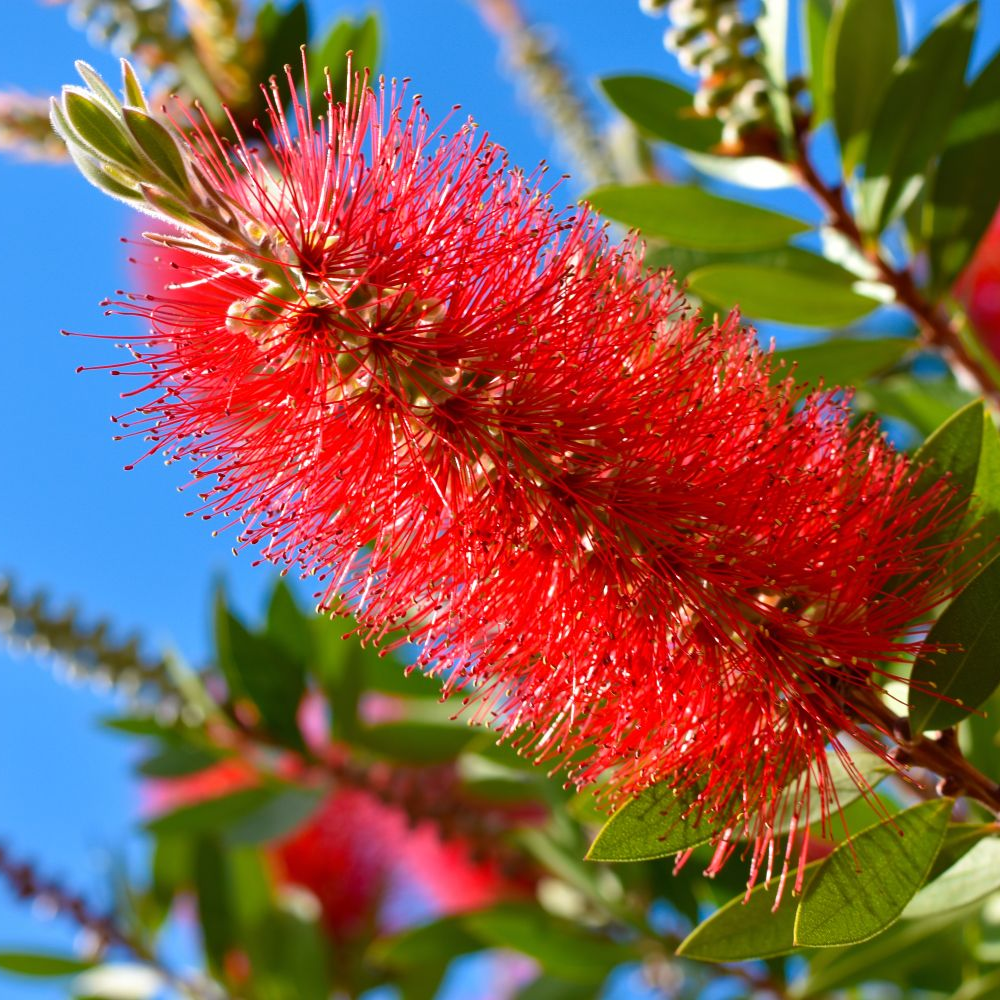
Bottlebrush (Callistemon)
Features striking red, brush-like flowers and is hardy in various conditions.
Planting Tips
Soil
Well-drained soil is crucial. Consider using native plant soil mixes, which are formulated to meet the specific needs of Australian natives.

Yates Controlled Release Fertiliser
Gives your plants an instant release of nutrients, then continues feeding for up to 6 months
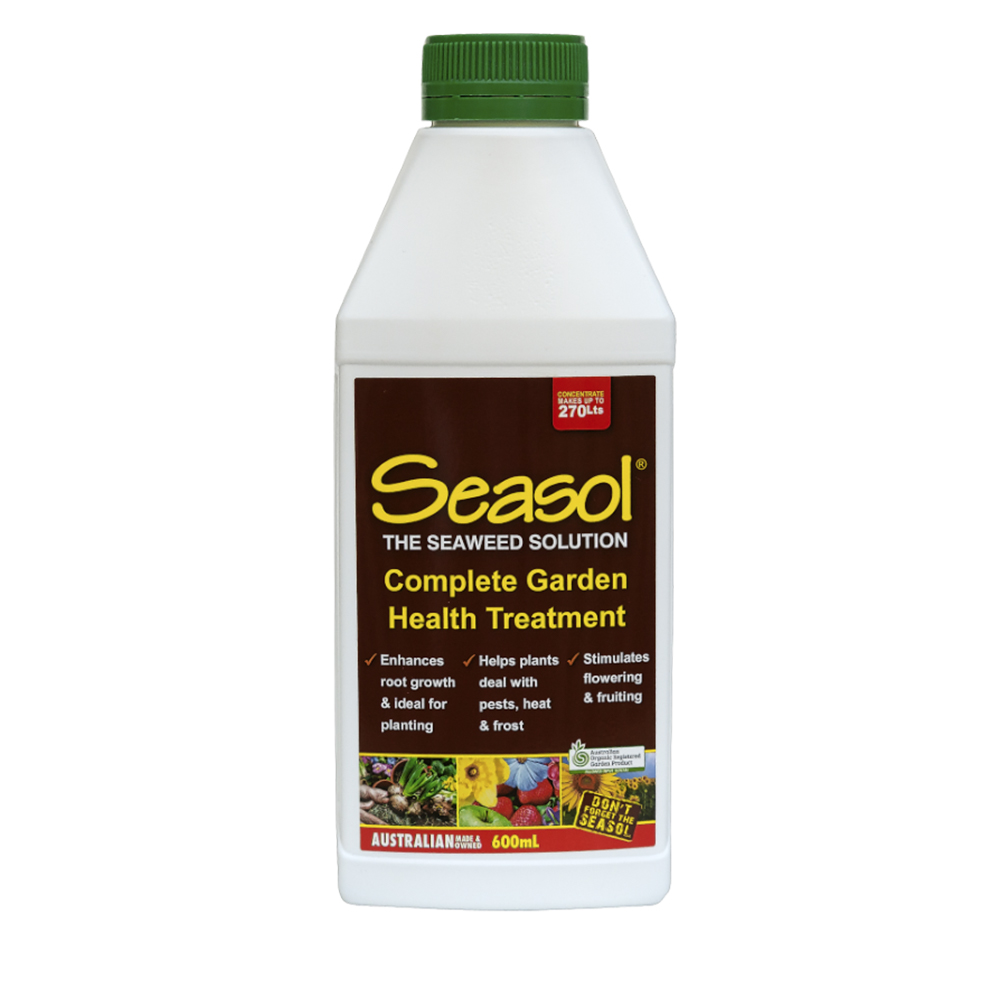
Seasol Complete Garden Treatment
Seasol seaweed concentrate is a complete garden health treatment which stimulates strong root growth & beneficial soil micro-organisms.
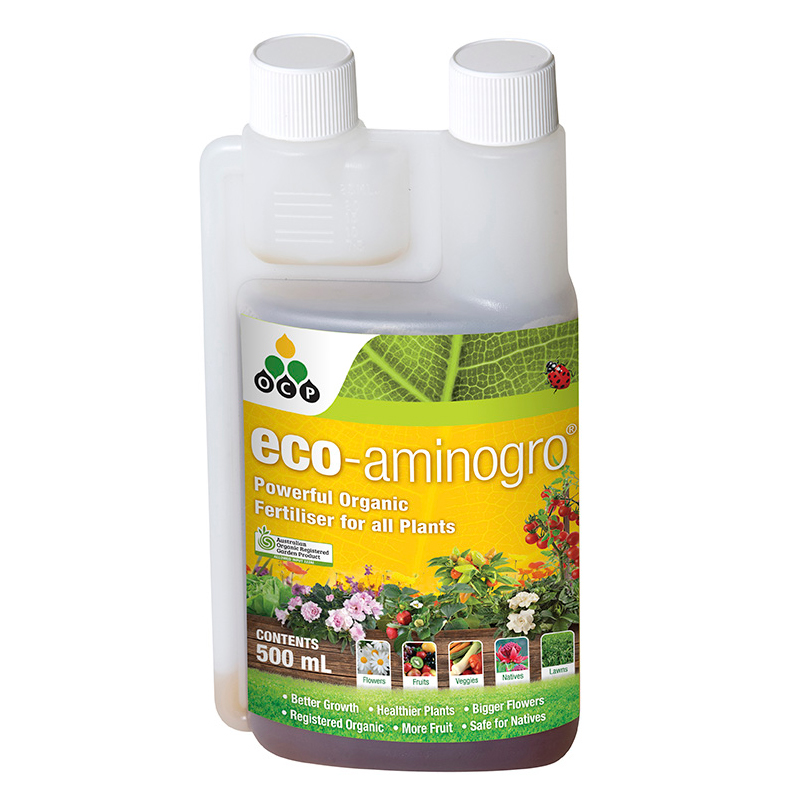
Eco Aminogro Organic Fertiliser
Derived from digested marine waste it is packed full of nutrients, vitamins and amino acids that plants absorb very quickly.
Position
Full sun to partial shade. Most native plants thrive with plenty of sunlight, but some, like certain Grevillea species, can tolerate partial shade.
Watering
Once established, they require minimal watering, making them drought-tolerant. Water them deeply but infrequently to encourage deep root growth.
Mulching
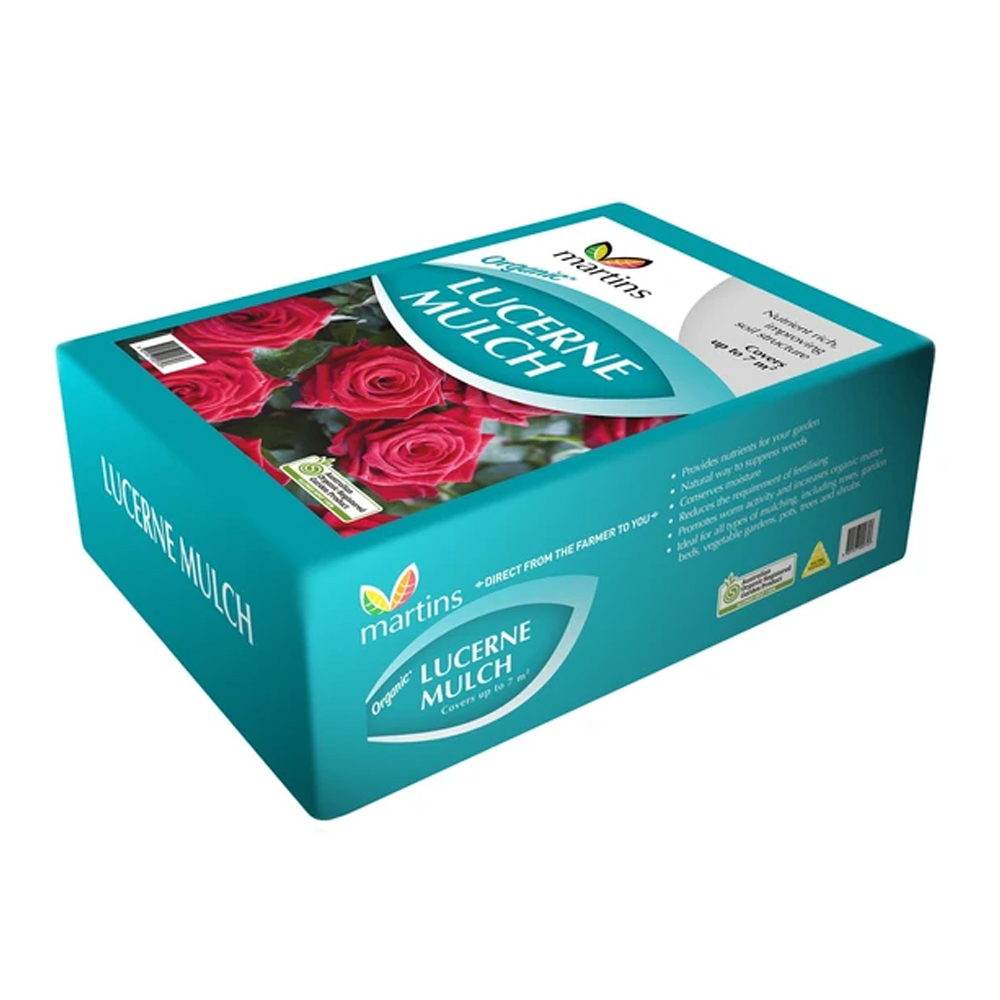
Apply a layer of organic mulch around the base of the plants to conserve moisture, regulate soil temperature, and suppress weeds.
Pests & Diseases
Keep an eye out for scale insects, aphids and fungal diseases
Succulents
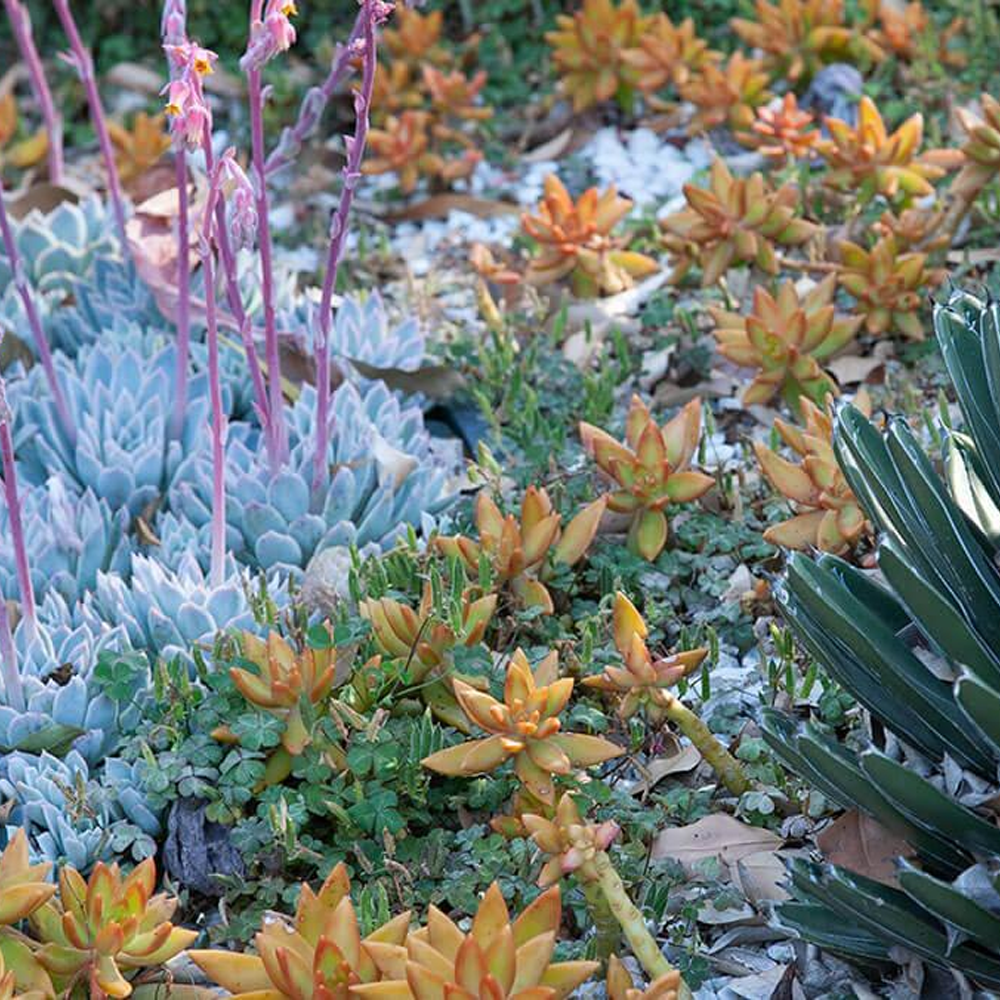
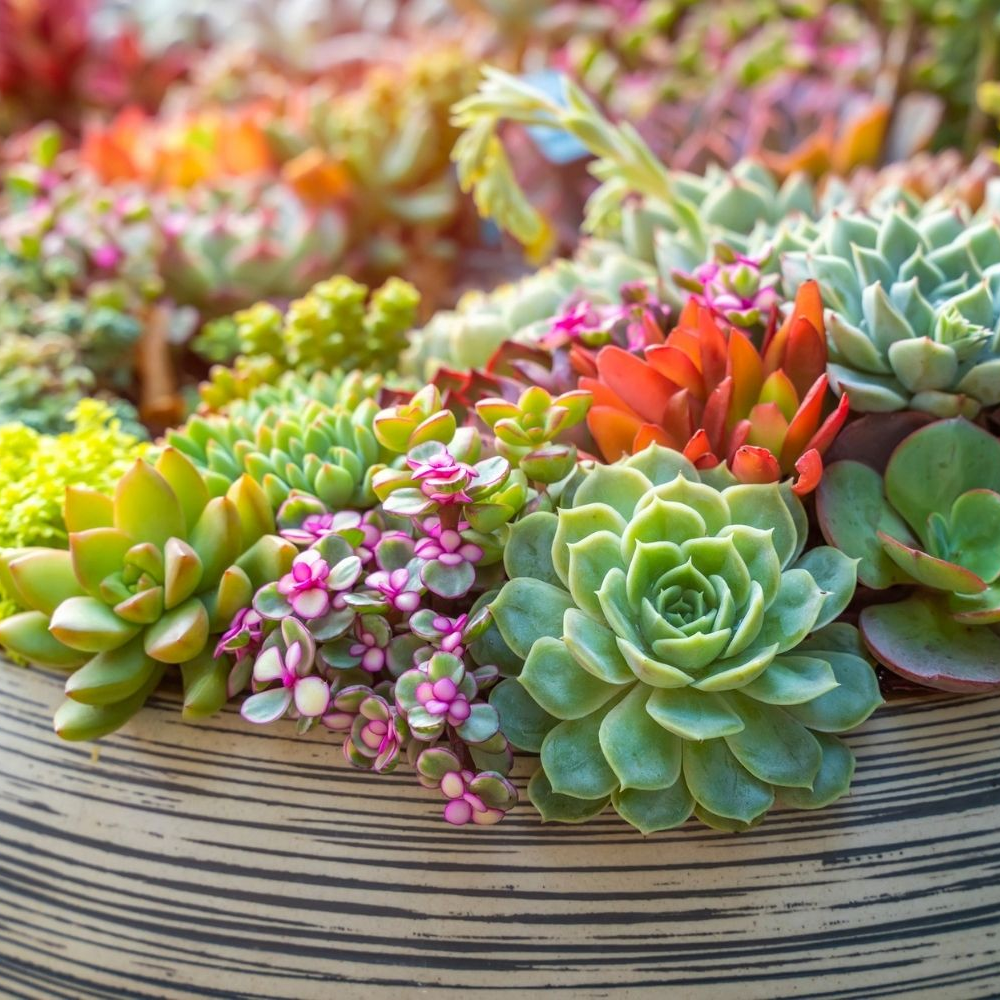
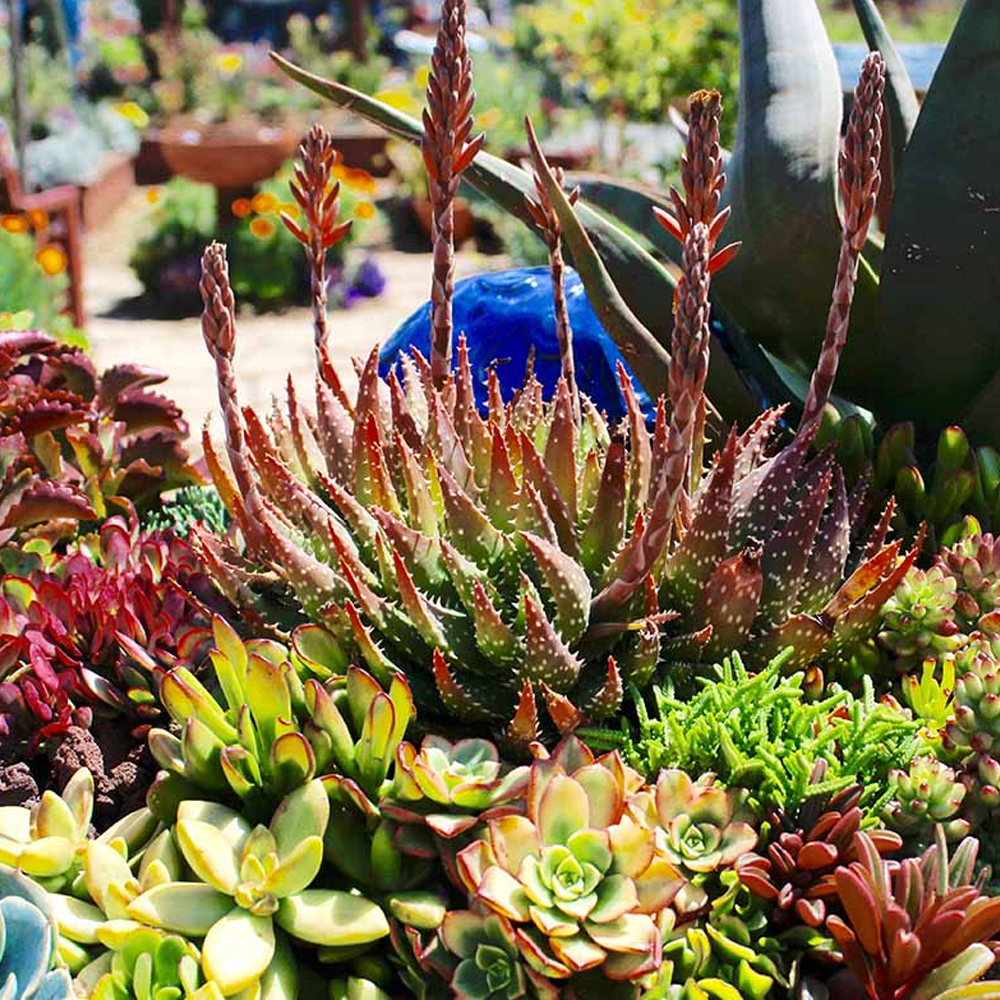
Succulents are ideal for busy gardeners due to their low maintenance needs and striking appearance. They add a modern touch to gardens and are perfect for both indoor and outdoor spaces.
Popular Varieties
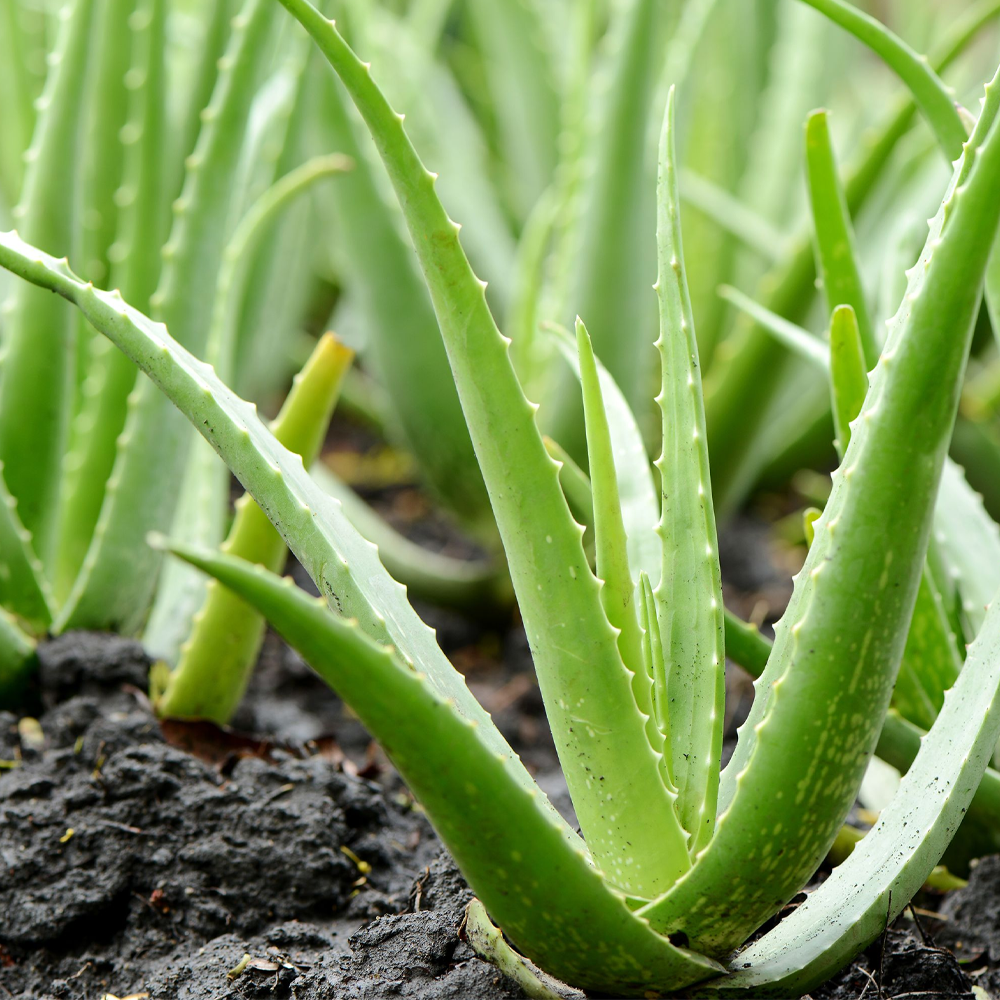
Aloe Vera
Not only attractive but also useful for its medicinal properties.
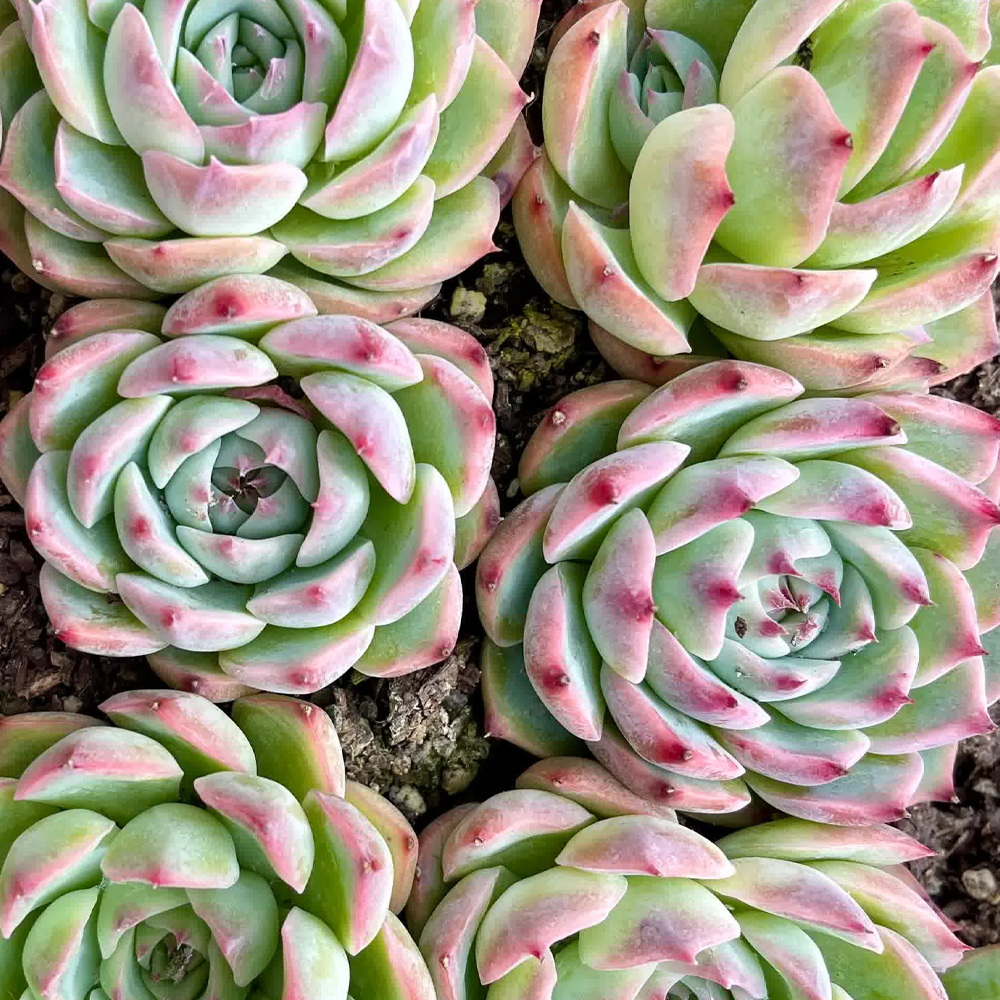
Echeveria
Known for its rosette shape and a variety of colors.
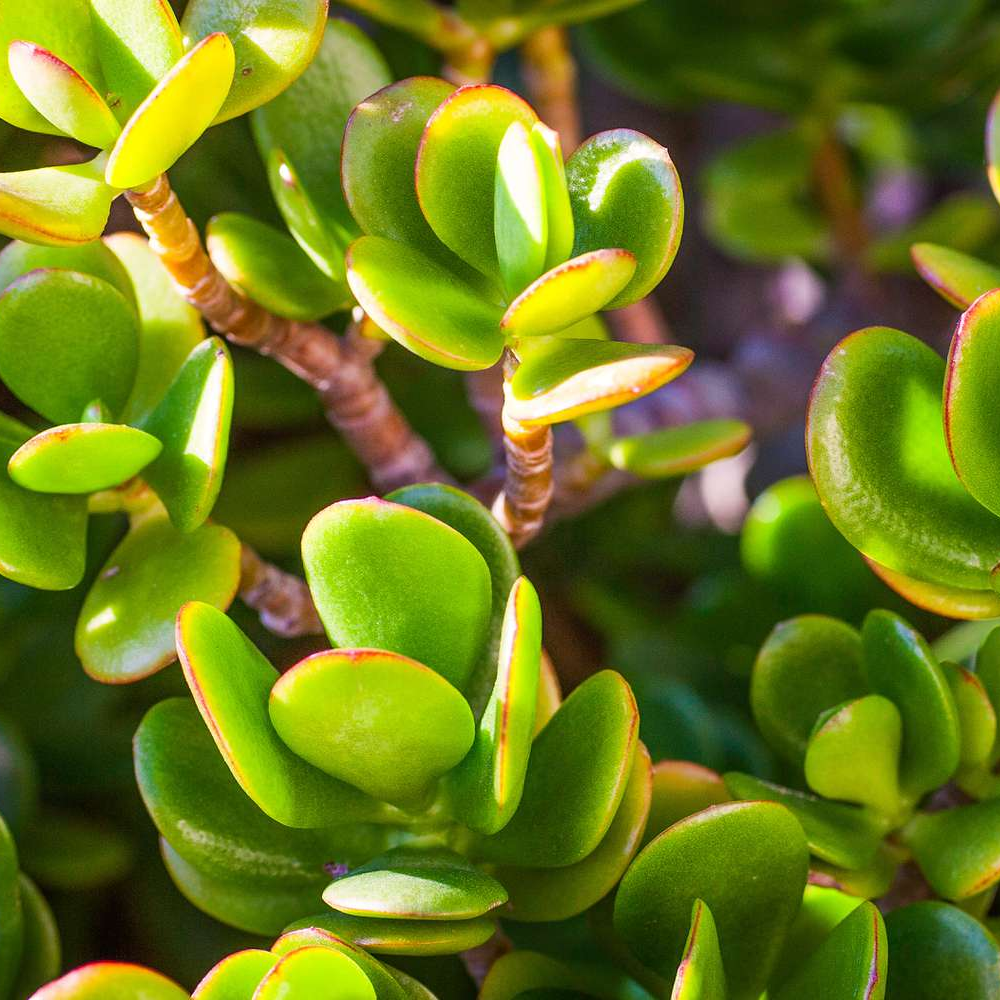
Jade Plant (Cassula ovata)
A symbol of good luck and easy to care for.
Planting Tips
Soil
Use a well-draining cactus or succulent mix. Poor drainage can lead to root rot.
Position
Full sun to partial shade. Most succulents thrive in bright light, but some, like Haworthia, prefer indirect light.
Watering
Water sparingly, allowing soil to dry out between waterings. Overwatering is a common cause of failure with succulents.
Container Choice
If planting in containers, choose pots with drainage holes to prevent water from sitting at the roots.
Pests & Diseases
Watch out for mealybugs, spider mites and root rot.
Edible Plants
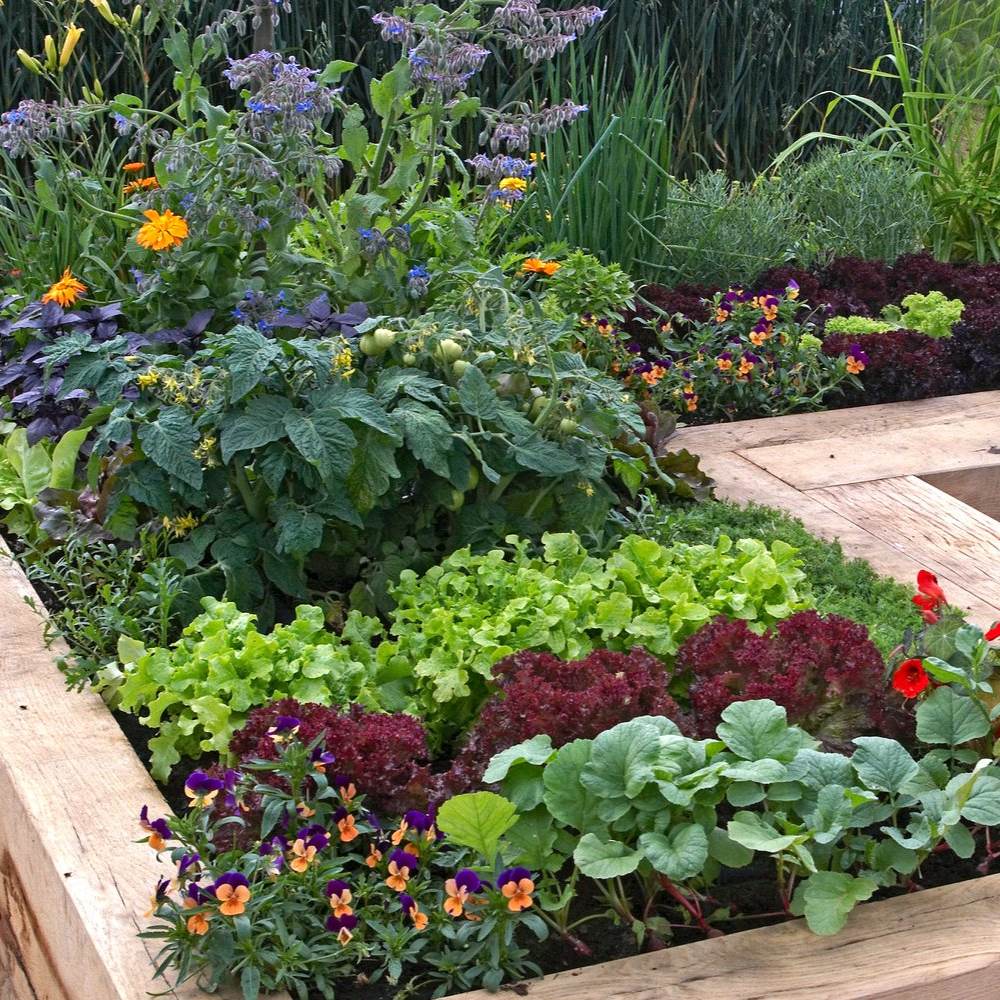
Growing your own food is both rewarding and sustainable. With the rise in home gardening, edible plants like herbs, vegetables, and fruits are in high demand.
Popular Varieties
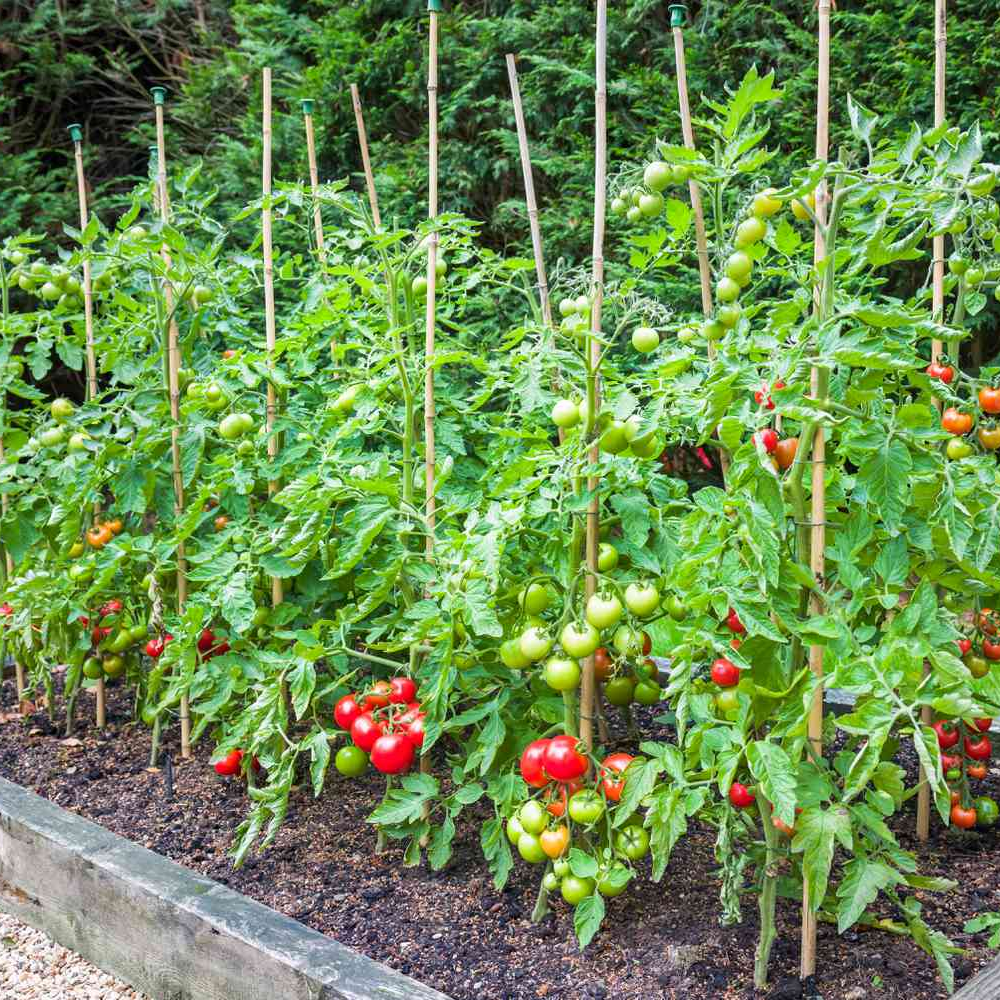
Tomatoes
Cherry and heirloom varieties are particularly popular.
Â
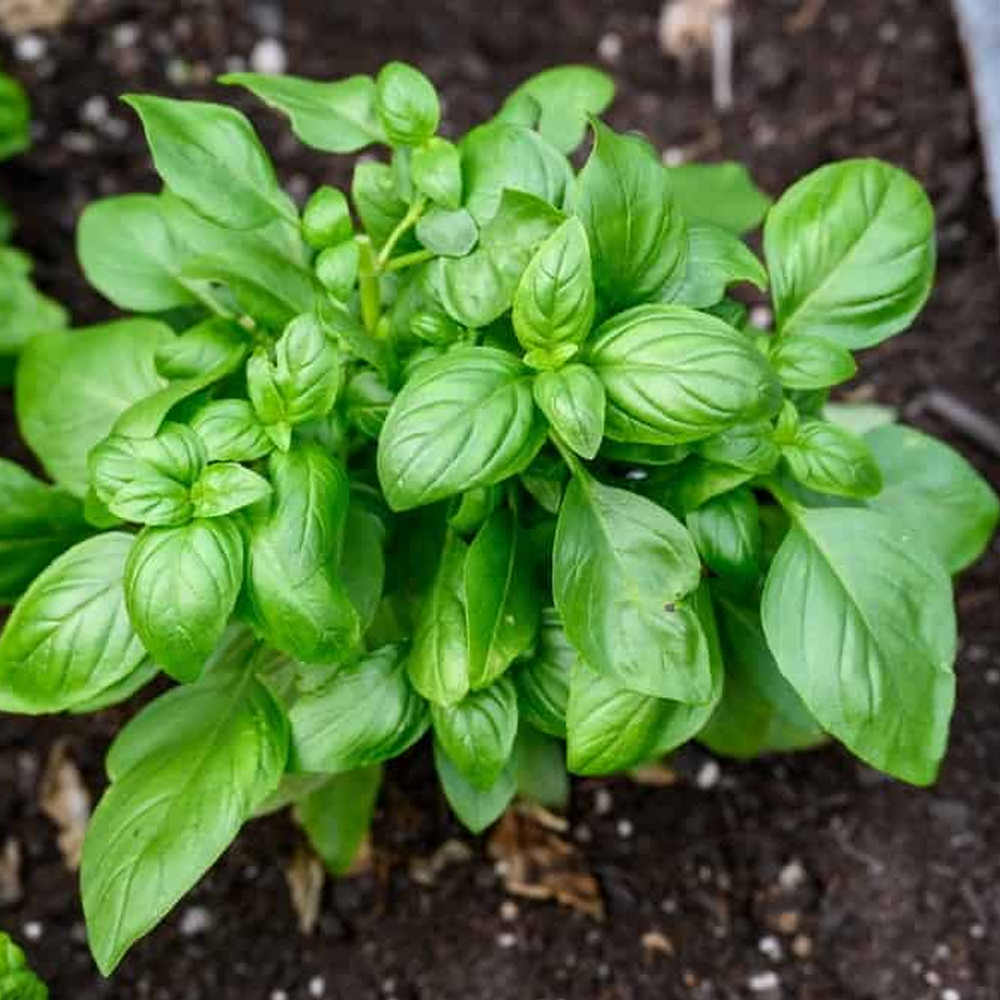
Basil
Perfect for summer dishes and easy to grow
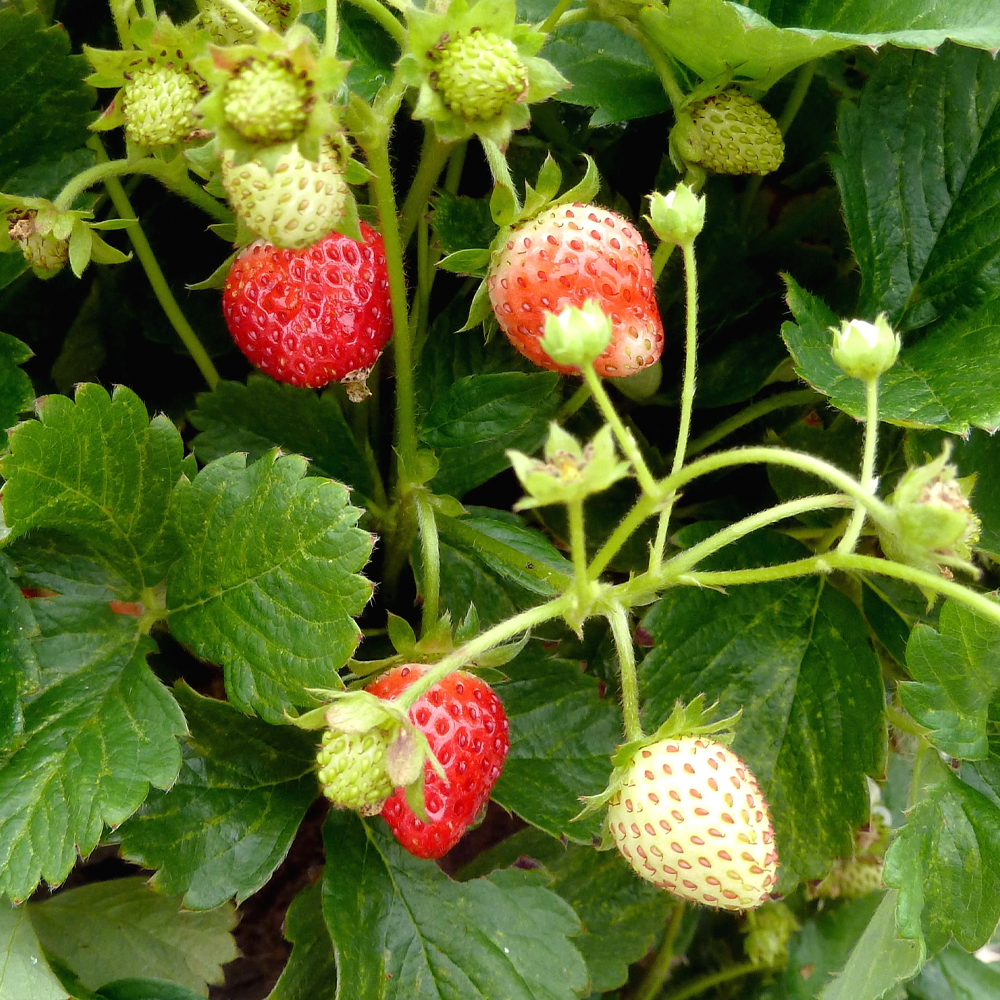
Strawberries
Provide delicious fruits and add beauty to the garden.
Planting Tips
Soil
Rich, well-draining soil with plenty of organic matter. Adding compost or well-rotted manure can boost soil fertility.
Position
Full sun for most edible plants, as they need plenty of light to produce a good yield.
Watering
Keep soil consistently moist but not waterlogged. Water early in the day to reduce evaporation and prevent fungal diseases.
Companion Planting
Plant herbs like basil near tomatoes to improve flavor and deter pests.

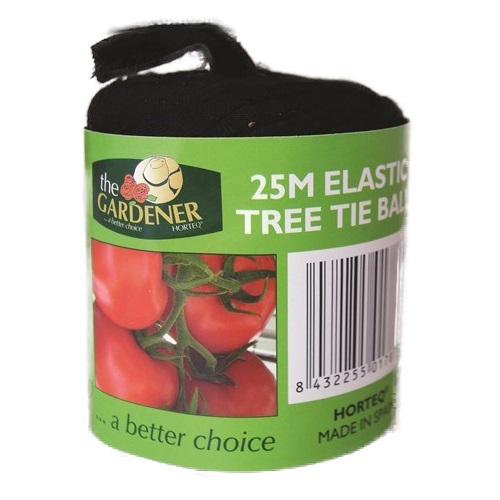
Elastic Tree Tie Ball
Great for tying tomatoes and climbing vegetables
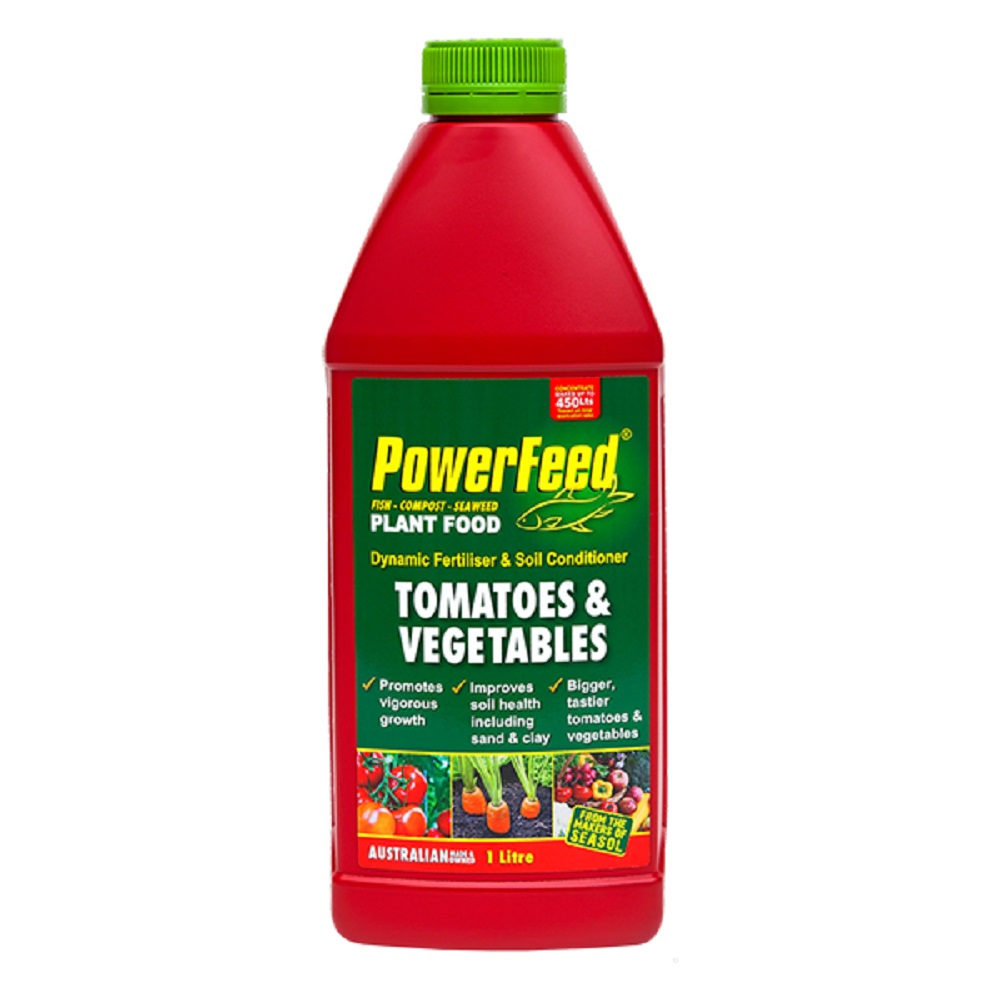
Powerfeed Tomatoes & Vegetables
Dynamic liquid fertiliser and soil conditioner
Pests & Diseases
Watch out for aphids, whiteflies and powdery mildew.
Tropical Plants
Tropical plants bring a touch of exotic beauty to any garden. Their lush foliage and vibrant flowers create a mini paradise in your backyard.
Popular Varieties
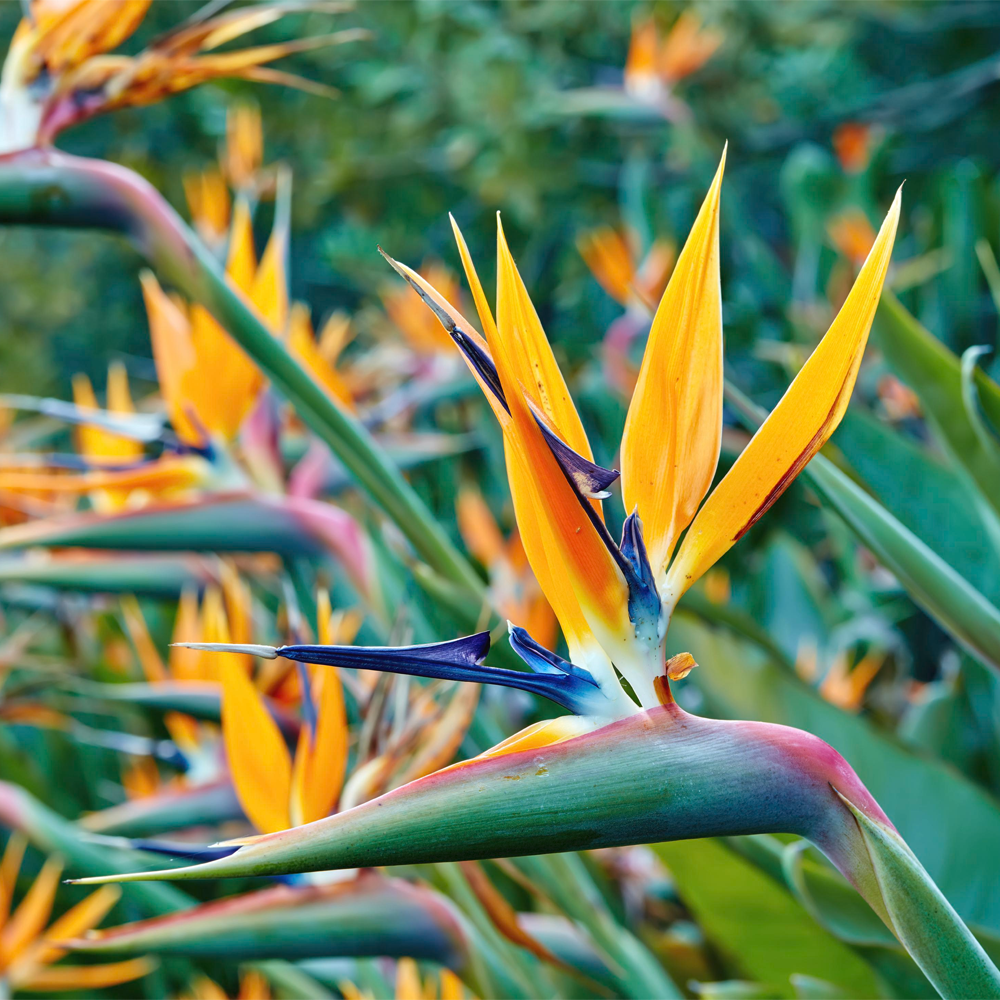
Bird of Paradise (Strelitzia)
Known for its striking, bird-like flowers.
Â
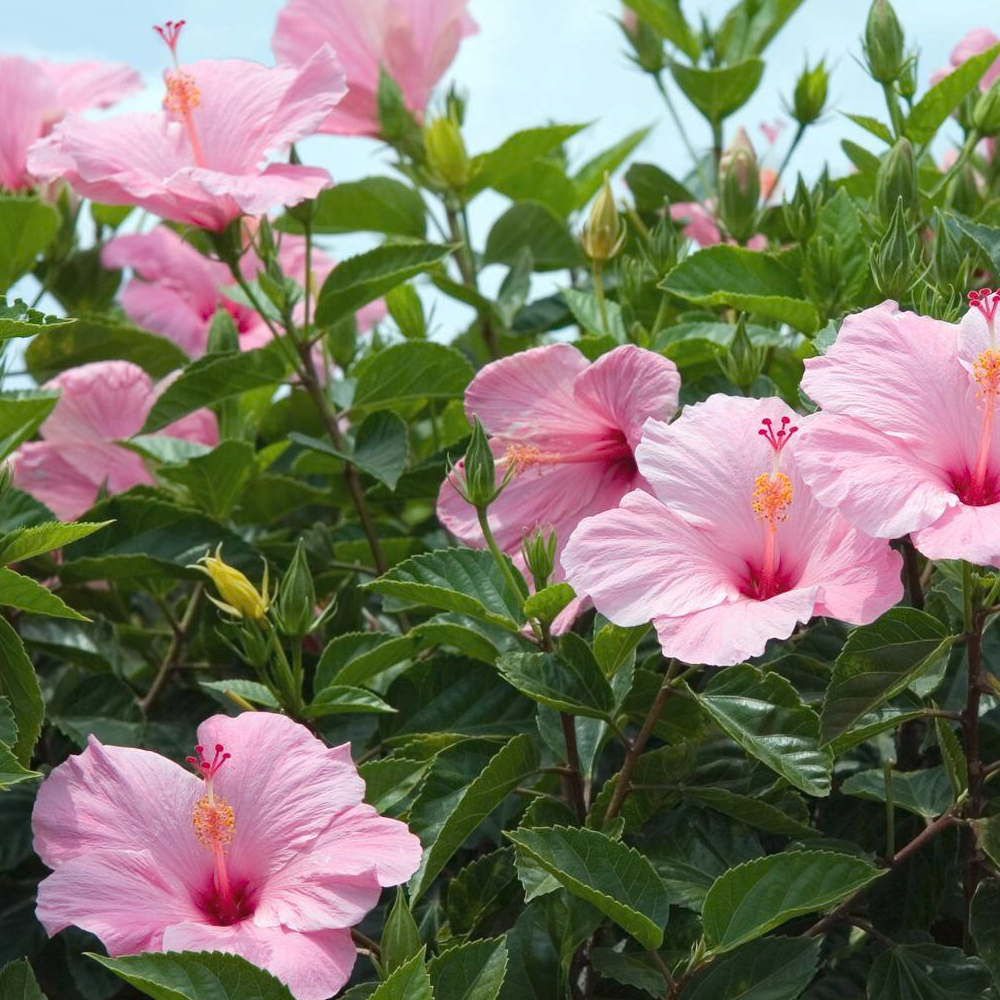
Hibiscus
Offers large, colorful blooms.
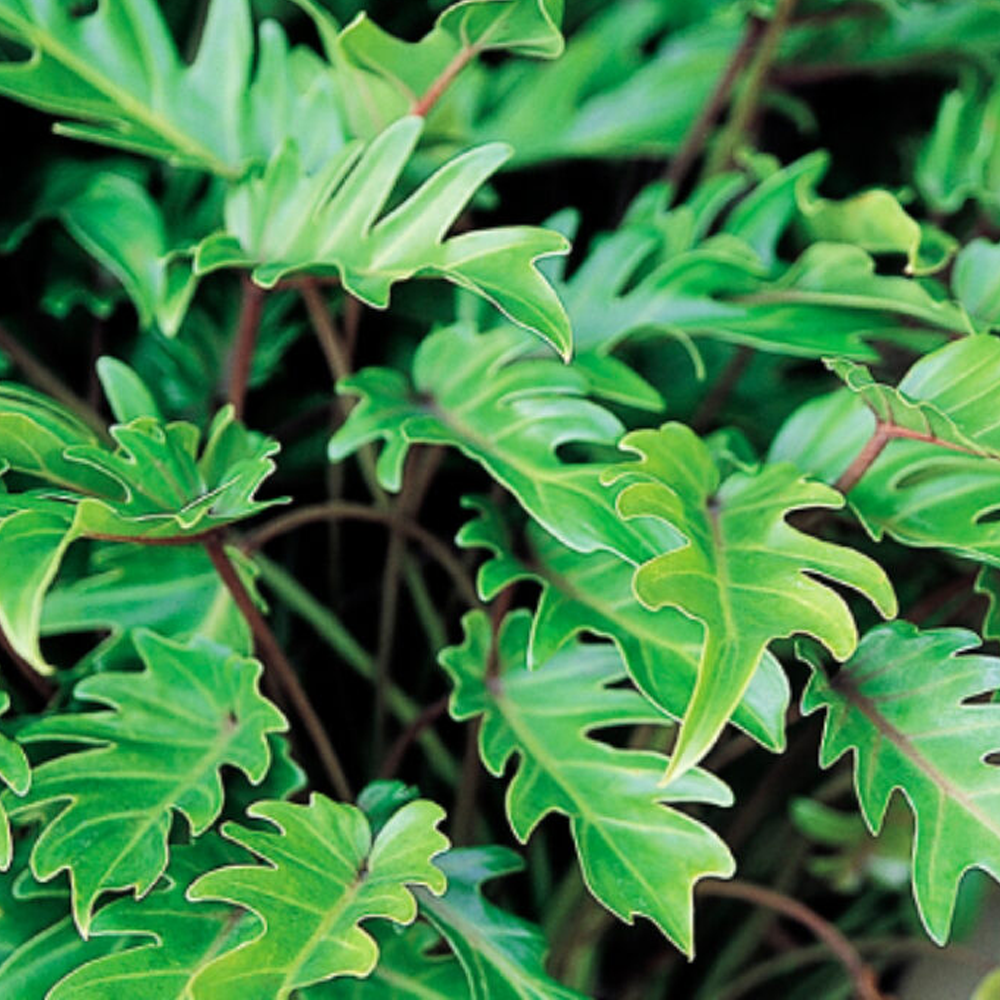
Philodendron
Popular for its large, dramatic leaves.
Planting Tips
Soil
Rich, well-draining soil. Incorporate plenty of organic matter to mimic their natural, nutrient-rich habitats.
Position
Full sun to partial shade, depending on the variety. Hibiscus prefers full sun, while some Philodendron species thrive in shade.
Watering
Keep soil consistently moist, especially during hot weather. However, avoid waterlogging as it can lead to root rot.
Humidity
Tropical plants generally prefer higher humidity. In dry climates, mist the leaves or place a humidifier nearby.
Pests and Diseases
Watch out for spider mites, aphids and fungal infections.
Flowering Annuals
Flowering annuals provide a burst of color and are perfect for creating seasonal displays. They’re ideal for garden beds, borders, and containers.
Popular Varieties
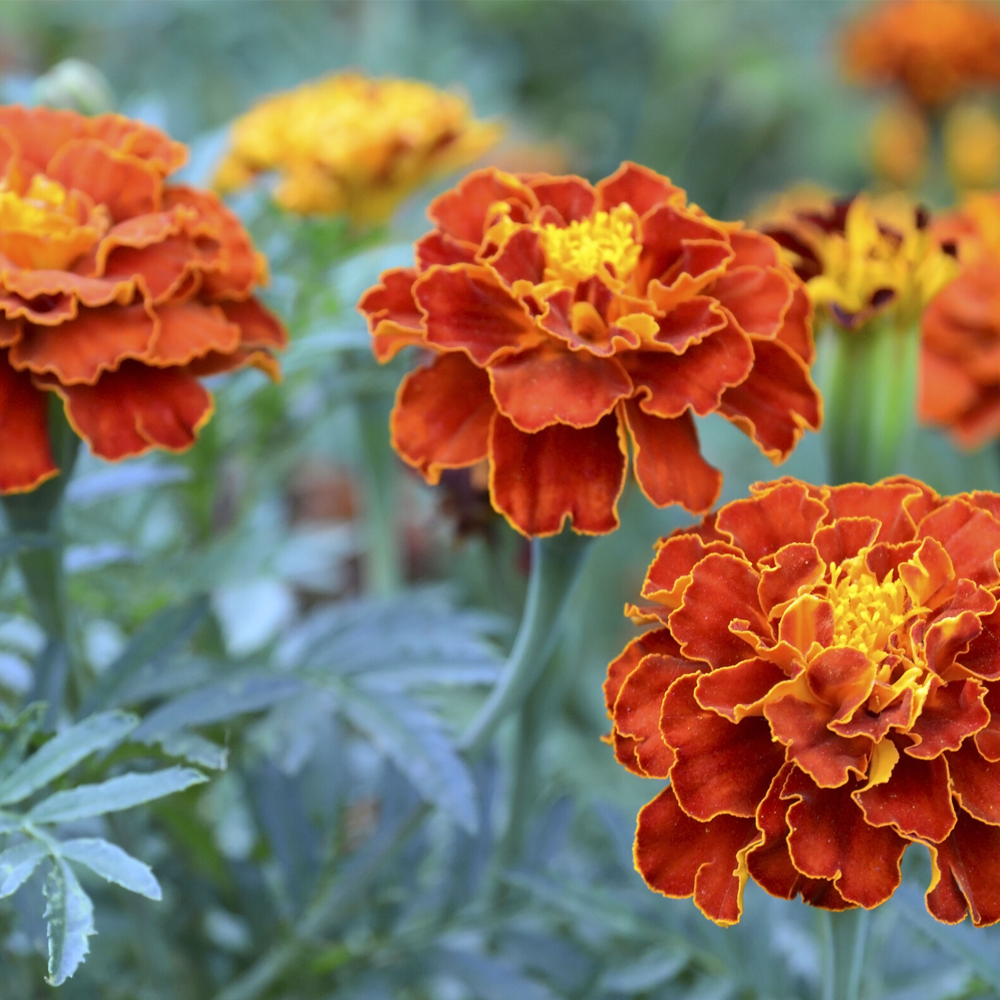
Marigolds
Bright, cheerful flowers that also repel pests.
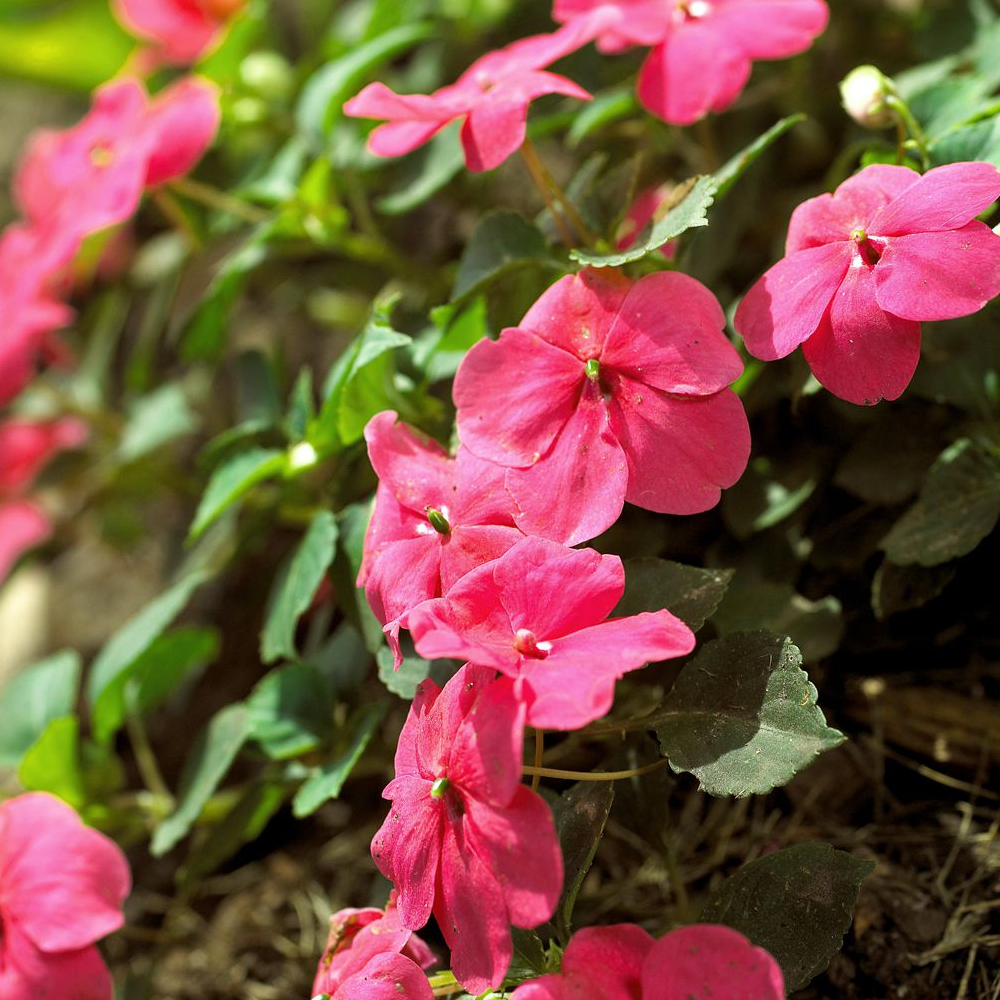
Impatiens
Perfect for shady areas, adding color where many plants won’t thrive.
Pests & Diseases
Aphids, snails, and fungal diseases.

Snail Killer Pellets
To control snails and slugs in vegetables, flower beds and pot plants.

Blitzem Snail & Slug
Kills snails and slugs by dehydration. Control snails & slugs for up to 5-7 days
Planting Tips
Soil
Well-draining, enriched with compost to support vigorous growth and blooming.
Position
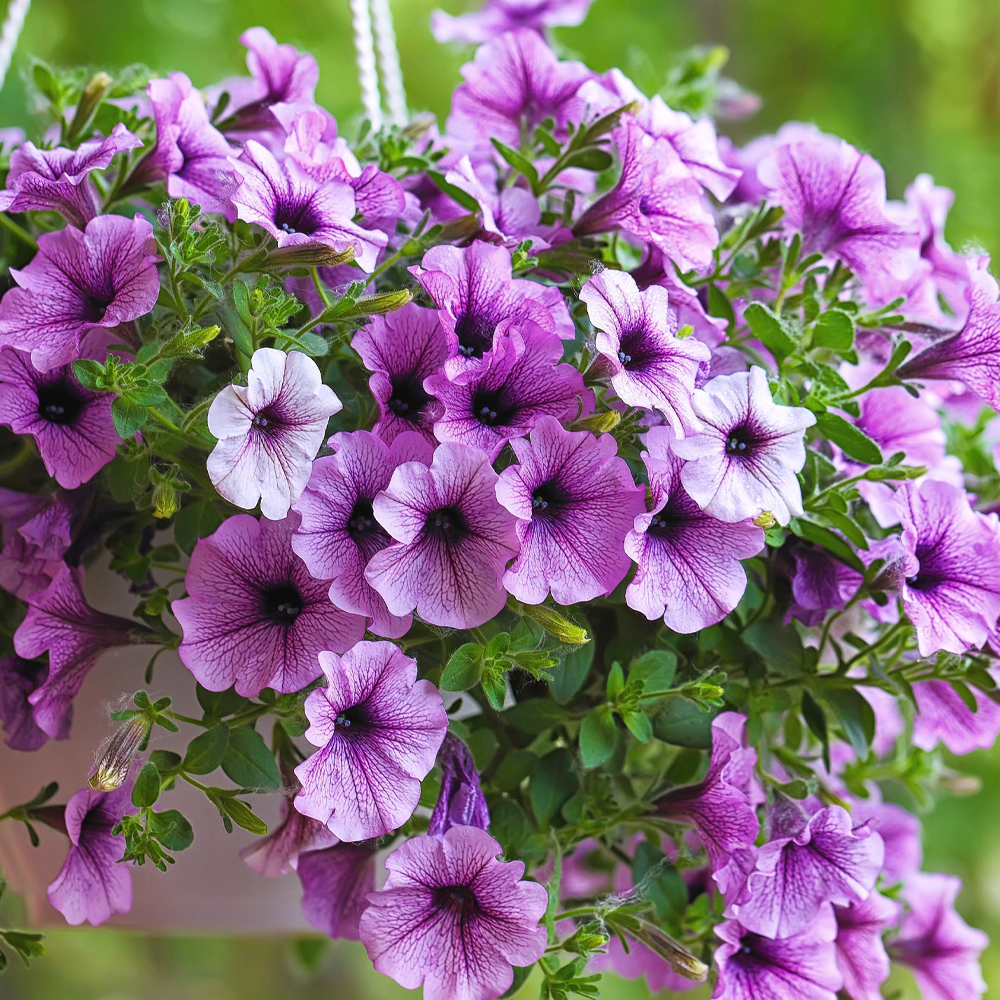
Full sun to partial shade, depending on the variety. Impatiens thrive in shaded areas, while petunias prefer full sun.
Watering
Regular watering to keep soil moist. Morning watering is best to reduce evaporation and provide plants with moisture during the hottest part of the day.
Deadheading
Remove spent flowers to encourage continuous blooming throughout the season.
Final tips for a Thriving Garden
Soil Prep
Test Your Soil
Knowing your soil’s pH and nutrient levels can help you make informed decisions about amendments and plant selection.
Amend the Soil
Incorporate organic matter such as compost or aged manure to improve soil structure and fertility.
Planting Techniques
Proper Spacing
Follow spacing recommendations on plant labels to avoid overcrowding, which can lead to poor air circulation and increased disease risk.
Mulching
Apply mulch around plants to retain moisture, suppress weeds, and regulate soil temperature.
Maintenance
Regular Monitoring
Check your plants regularly for signs of pests/disease. Early intervention can prevent major issues.
Pruning & Deadheading
Regular pruning encourages healthy growth and more prolific blooming. Deadheading spent flowers helps maintain the plant’s energy for producing new blooms.

Cyclone Fruit & Floral Snips
Ideal for pruning small plants & vines

Rose Gatherer Secatuers
For picking and pruning roses.

Cyclone Handy Bypass Pruner
Ideal for pruning live & green stems
By incorporating these trending plants and following these detailed planting tips, you can create a stunning and healthy garden that thrives throughout the spring and summer seasons in Australia. Happy gardening!